WarTalk:なぜ中国は火薬の時代に敗れたのか
ChinaTalk
要約
エモリー大学のトニオ・アンドラーデ教授が、著書『The Gunpowder Age』刊行10周年を機に、中国の火薬兵器の発展と衰退を語った回。軍事革新は中国が分裂し競合国家が並立した時期に加速し、清が敵を失った後は停滞したと論じる。19世紀には兵器単体でなく工作機械や制度を含む体系ごとの導入が必要になった点や、ウクライナ戦争が示す現代的な教訓にも話が及ぶ。
この回のポイント
- ●アンドラーデ氏は、中国は統一帝国だったという通念に反し、分裂・競合する国家の時代にこそ軍事技術や戦術が飛躍したと主張している。
- ●火薬は当初、火矢や火槍など「火で焼く」用途が中心で、弾丸を撃ち出す運動エネルギーの利用に至るまで数百年の試行錯誤を要した。
- ●明は1520年代にポルトガルの大砲を短期間で北辺に配備したが、清は1760年頃以降、火打石銃を贈られても部隊に採用しなかった。氏は脅威の不在が原因と見る。
- ●日清戦争では技術力より体制の安定が優先され、李鴻章に権力を集中させなかったことが影響した。軍事革新には地政学的脅威だけでなく政権の安定という視点も要るとする。
- ●19世紀には新兵器だけでなく工作機械、科学、制度を含む体系ごとの導入が不可欠となった。曽国藩が機械工場を丸ごと買い付けさせた例が挙げられる。
- ●ウクライナは革新の最前線だが、米国は切迫感に欠け、利害の絡む既存構造を変えにくいという見方が示された。
章立て
番組紹介と本書の主張
軍事革命論争を背景に、競合する国家体制が軍事技術を伸ばすという議論を、分裂期の中国にも当てはめた本書の狙いが語られる。
火薬実験の黎明期
火矢、鳥や猫に火をつける兵器、火槍を経て、弾丸を撃つ銃に至るまでの長い試行錯誤と、昔の人々の知的な創意が語られる。
軍事組織の抵抗と地方発の革新
機関銃の例や現代のドローンへの無関心と重ね、中国では戚継光のように地方の戦場で生まれた革新が広がったと説明される。
均衡の時代と明・清の分岐
欧州は大砲、中国は規律ある銃兵運用に強みを持った。明はポルトガルの砲を迅速に採用したが、清は脅威の不在で停滞した。
政権の安定と日清戦争
軍事革新には存亡の脅威が必要で、政権の安定への懸念が李鴻章への権力集中を妨げたことが議論される。
戦争が生む収斂と19世紀の体系競争
戦争は文化間の相互採用を促す。19世紀には工作機械など体系全体の導入が必要になった点が論じられる。
ウクライナと米国の課題
ウクライナの現場主導の革新と、米国に全政府的な取り込みや切迫感が欠けるという懸念が語られる。
AIと歴史研究、推薦書
機械転写や翻訳が史料研究を変えつつあることと、研究者が薦める軍事史・清史の書籍が紹介される。
解説記事
歴史学者トニオ・アンドラーデ氏(エモリー大学)が、著書『The Gunpowder Age』の刊行10周年を機に、ChinaTalkの軍事史シリーズ「WarTalk」に出演した。聞き手はジョーダン・シュナイダー氏ら常連メンバー。火薬を発明した中国がなぜアヘン戦争で欧州に敗れたのかを、軍事革新の条件という観点から振り返り、ウクライナ戦争や米国の防衛改革への示唆にも踏み込んだ。
競合する国家が革新を生む
本書は、欧州の優位を軍備の規律、銃、艦船、要塞で説明する「軍事革命」論への応答として書かれた。アンドラーデ氏は、欧州が強かったのは競合する国家体制があったからだという議論に同意しつつ、中国も統一帝国ばかりではなかったと指摘する。中国が複数の国家に分かれて争った時代にこそ、軍事技術や戦術が伸びたと氏は述べている。
火薬を軍事的効果の代理指標として使ったという説明も興味深い。軍事力の優劣は衝突しなければ測れず、史料も限られる。そこで火薬兵器の普及と発展を追えば、軍事面での動きを確認できると考えたという。火薬は花火にしか使われなかったという俗説への反論でもある。
数百年の試行錯誤と地方発の革新
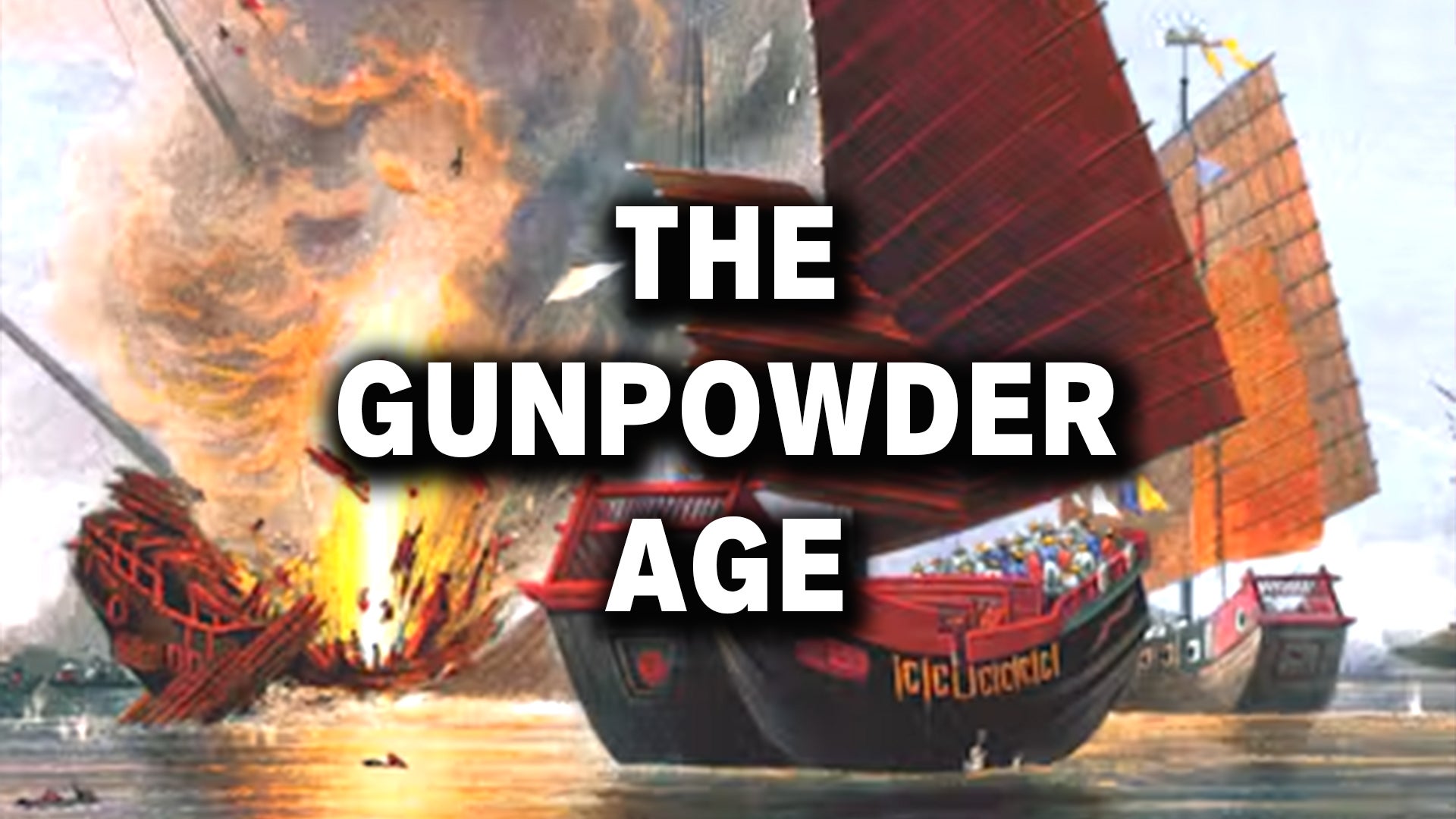
初期の火薬は、火を起こす用途が中心だった。火矢、鳥に火をつけて敵陣に放つ兵器、そして火槍である。火槍には金属片なども詰められ、やがて筒の中から飛び出すもののほうが威力を持つと分かってきた。そこから砲身を弾丸で塞ぎ、運動エネルギーで破壊する銃が生まれた。氏は、当時の人々も同じように賢く、数多くの試行を重ねていたと強調する。
革新の担い手については、中国は官僚的な中央集権というイメージが強いが、実際は地方の自律性が大きかったと述べる。例として、日本の火縄銃に対抗して倭寇と戦った戚継光が挙げられる。彼の工夫は、壬辰戦争(文禄・慶長の役)で朝鮮に派遣された北方の軍にも広まった。戦場で生まれた革新が上へ伝わる形が多かったという。
明と清の分岐点
欧州は大型砲、中国は歩兵の火器運用が得意で、いわば均衡と差異が同居した時代だった。氏は、中国の軍は銃を交代で撃つ規律ある運用を早くから実現していたと説明する。これには長期の訓練と常備軍が必要で、中央集権的な財政が支えたという。
象徴的なのが明と清の対比である。明は1520年代、広州付近でポルトガルを破ると、その大砲を数年で約2500マイル離れた北辺に配備した。一方、清は18世紀後半以降、贈られた火打石銃を皇帝が狩猟に使うだけで、部隊に導入しなかった。氏はその理由を、明は敵と向き合っていたが、清は中央アジアを制圧し、日本も静かで、脅威がなかったためと説く。
政権の安定という視点
議論は、地政学だけでなく政権の安定も革新を左右するという点に及ぶ。日清戦争(1894年)で、中国は福州船政局などで造った艦船に技術的な自信を持っていたが、北洋艦隊を率いる李鴻章に権力を集中させることは、皇帝を名乗られる恐れから避けられたという。氏は、習近平氏による軍の粛清も、政権が国内の統制維持を重視していることの表れだという見方に触れた。革新には存亡の危機という外圧と、内部の揺さぶりが可能であることの両方が要ると氏は述べる。
また氏は、戦争は分断をもたらす一方で、文化間の相互採用を促すとも指摘する。16〜17世紀には鄭成功がオランダの大砲を沈没船から引き揚げて研究するなど、急速な模倣が見られた。中国は閉鎖的だったから衰えたという通説にも、氏は反論している。
体系の導入とウクライナ
19世紀になると、新兵器を買うだけでは足りず、工作機械、科学、制度を含む体系全体の導入が必要になった。曽国藩が米国に機械工場を丸ごと買い付けさせた例は、その象徴である。出演者は「機械を作る機械」が鍵だったと語り、現代のAIをめぐる議論とも重ねた。
ウクライナ戦争は、民生品を転用する小部隊の革新と、国家支援の大規模開発が同時に進む場だと氏は語る。出演者の一人は、米国製機器がそのままでは戦場に適さず、ウクライナの技術者が分解・改造していると伝えられていると述べた。さらに、米国は個別の学習はあっても全政府的な取り込みに欠け、既存構造に利害が絡むため、存亡の危機がなければ抜本改革は難しいという懸念が示された。ジャック・シャナハン氏の「ウクライナは存亡の危機、米国は慢心の危機」という言葉も紹介された。
AIと歴史研究
氏は現在、オランダ東インド会社に関する本を執筆中で、手書き史料の機械転写や機械翻訳によって研究手法が大きく変わったと語る。17世紀のオランダ語や漢文でも、注意深く確認すれば初稿レベルの訳が得られるという。それでも、数か月から数年にわたり持続的に考え続ける人間の研究者の役割は残ると述べた。
まとめ
本回が示すのは、軍事技術の優劣は発明の有無より、競争圧力、権力構造、体系的な受容力といった条件で決まるという視点である。日本の読者にとっても、防衛や産業の分野で外部の成功例を取り込めるかどうかは、技術そのものより組織の切迫感と柔軟性にかかっているという示唆が得られる。なお、これらは出演者の見解であり、歴史解釈には議論の余地があることにも留意したい。
文字起こし(英語・自動生成)
Never, I believe, in the history of East Asia has there been a regime so overwhelmingly powerful and so overwhelmingly influential and authoritative than the Qing dynasty. Happy 10-year anniversary to the gunpowder age. Since there's this myth that gunpowder was invented by the Chinese and only used for fireworks, losing a battle is the most clear evidence that you can apply from outside to shake these structures up. Today, we see a lot of people have ignored drones, including in the United States. Hey, everybody. Welcome to War Talk. This week, we have Professor of History, Honio Andrade. He's with Emory University, specializes in Chinese history, global history, military history, encounters between European and Asian powers. And he wrote the amazing book, The Gunpowder Age, that looks at how China's rise in gunpowder and then eventual loss to Europe during the opium wars came to fruition. Yeah, happy 10-year anniversary to the Gunpowder Age. We're so excited to celebrate it with you today.
Thank you. I'm very excited to be here. Yeah, so, like, really the way that this came about, when the Odyssey came out, we had some really awesome discussions around Greek warfare, ancient Greek warfare, and how that kind of applied and some lessons that can be extrapolated out to today, both with the way the U.S. military operates, and then just kind of, like, larger lessons learned on masculinity, lethality, kind of all of that and how that culture has changed by each historical age. Jordan and I really liked your book, and we were like, hey, this is actually a really great look. And when we consider the parallels to the Russia-Ukraine war, the rise of China today, and then the ongoing modernization that's happening in the U.S., there's a lot of parallels where we think we can actually pull some of these historical lessons and then be able to use them as just at least analytical tools to kind of describe what we're seeing today. So we really appreciate it, and I think then we handed it out to everybody else. It was like, yeah, this is going to be a good topic. And, again, it continues in our series on ancient warfare and why it matters to study it.
So let's start with a thesis, Tony. What does this book argue, and who is it arguing against? So, yeah, this book is kind of, I guess you could say, part of the military revolution debate, you know which is as you know a debate that started in the 1950s that basically argued especially with Jeffrey Parker in the 1980s that Europeans one of the major advantages Europeans had and one of the things that was sort of responsible for European expansion of colonialism was a superiority in arms on four different axes right there's the discipline that their soldiers were supposedly more disciplined and trained better, that they had better guns, that they had better ships and better fortresses. And as a China historian, I realized looking at China that people hadn't really done the kind of comparative work and that you can find the same
sorts of things in China. So that began, sort of led me to just looking at Chinese military history, something that people really, when I was writing the book, hadn't done in any kind of sophisticated way. And since then, a lot, there's been a lot more work. But so yeah, that's sort of the genesis of it. And I'm sort of pushing back against this. But one of the things that the military historians argued that I thought was right is that the reason that Europeans were so effective in warfare was that they had a competitive state system. And that's a deeper sort of kind of paradigm that goes way back, right? You see it in Tilly, you see it in Max Weber, you see it all over the place. But people always assume that China was this unified empire, right? But if you look at Chinese history, there are huge periods in which China is divided, in which China, as we call it today, right, is not a single singular state, but a collection of warring states or at least
competing states. And it's in those periods I found, and I argue in the book, that you see Chinese military technology, military techniques sort of excelling. And so that's kind of the the sort of overview argument of the book. And we could go into details about particular periods within that. But, yeah, that's the overview. Yeah, I think I really appreciate the overview. And I think that that's a good lens to look at it, because I will say when I read it, I hadn't considered, you know, you read like guns, germs and steel or something like that. And it's just like there was always going to be this movement of, you know, Europe was going to win. They had the technology. and you make a compelling argument that there had to be interstate conflict, as you said, for that technology to actually mature and matriculate. And that's something we're kind of seeing on the battlefield in Ukraine and Russia right now when you see how rapidly there's advances that are occurring with drone warfare and distributed communications. I do want to kind of turn back and focus on one part of it. So you talk about – I'm going to slaughter this, Jordan, so you may need to say his name in Chinese.
But I think it was Tianzhong when he does the siege of Taiwan and he takes over, he ejects the Dutch from their fortress. So when you look at that, like in the 1660s, China is still able to project power, defeat a colonial empire that's expansive, that has these ships. It's in less than 100 years, though, where we start to see their real fragility and weakness come in. And so kind of what does that arc look like that goes from we're able to beat the Europeans to we're not? Yeah. Why do you decide to start the timeline where you did? How do you go about evaluating, like, how good Chinese empires are at war compared to, you know, whatever people are running around in forests doing in Europe? Running around in forests. Yeah. I like that. But so basically, yeah, I needed like it quickly occurred to me because, as Justin noted, like some of some of the most interesting stuff is happening in the 1600s.
Right. That is a period of tremendous, like military fervor and ferment. Right. But the story is so much deeper. And so I realized, as you said, like, how do you tell what military effectiveness is, right? It really, the only time you can really measure military effectiveness is when two sort of entities collide, right? When they fight against each other, as is happening in the Ukraine right now, right? In Ukraine right now. So, but the sources aren't so good. So I realized that maybe I could take gunpowder as kind of a proxy for military effectiveness just to see, since there's this myth that gunpowder was invented by the Chinese and only used for fireworks, right, and they didn't have a military tradition and they didn't bother. so the sort of proliferation and development of gunpowder weapons which you can trace in the
historical records seem to me kind of a good proxy for understanding military effectiveness at some level right at least there's some kind of some kind of development going on so that's kind of how I address that that question and yeah and there's lots of battles on the way you know, whether it's Song battles, Jin battles, Leao battles, like in the, you know, in the 1100s, 1200s, that you can look at. But yeah, so that's kind of how I tried to do it. Let's do a little overview of the experimentation phase, because I love, you know, the few hundred years where we have these, like, flying bird weapons and, like, you know, screaming elephant weapons. And, like, no one's quite figured out that, like, or the technology wasn't quite there yet for just, like, putting a little, you know, pellet in a long tube and, like, having one guy shoot it. There's a piece of it which sort of feels like, you know, drones 10 years ago or AI today.
It's like everyone knows this is like potentially a big deal, but the amount of experimentation that needs to go on in order to like, you know, fit all the pieces in the right way and find what ends up being the dominant model, both for cannons and, you know, hand weapons like took hundreds of years. So let's bring us back to that time and maybe, like, give us a peek into just how ingenuitive humans were in the, you know, end of the first millennium, beginning of the second. Yeah, right. So, I mean, that was fascinating to me. So there's this Chinese book, the Wu Jingzongya, which is, like, has the earliest surviving gunpowder recipes, but also all these, some of these weird weapons that you're talking about. and so they you know i think it's fascinating and and you if you put yourself in the minds of people who were experimenting with gunpowder and its analogs early on you know in the 900s and 10 hundreds you would think this stuff creates fire and fire is the most destructive thing let's just
use the fire right but the idea of just using it to hurl a rock right which is like the most primitive thing that these people running around in forests are doing, right? The idea of using it to hurl a rock seems like just kind of counterintuitive. Why would you waste all that power on just hurling things? So it really took a long time for that to happen, and it was kind of an accidental thing. So, you know, Thai bombs, or not even bombs yet, right? Because the early gunpowder recipes were much more about sort of conflagration, right? Creating a lot of fire. so that it was used in gunpowder arrows, one of the oldest sort of fire technologies there is. It was attached to birds, right, and then the idea was you'd put sort of burning things on birds and then shoot them into the enemy, right? You'd put it on cats, and then there's all sorts of other things that, as they began to understand that gunpowder could be a propellant, right, rockets began to emerge.
and then the idea came that you could put it in a tube and then use it to sort of shoot fire at enemies. So you would have it, and infantry soldiers would have these, what were called fire lances, right, sort of long tubes filled with gunpowder and they would march towards the enemy and the idea was that they would burn the enemy. But people began to put other things in with the fire, cal traps, bits of metal. And these were not guns yet, right? But they were propelling these things. And people found gradually through decades and decades of warfare that it was the propellants, the things inside the tubes that came out that were doing a lot of damage. And so eventually they decided to occlude the barrel with, you know, one kind of projectile and use that projectile to cause the damage. So it's kinetic force that's causing the damage, not the not this fire that seemed so miraculous when they first kind of discovered the substance.
One of my big takeaways from your medieval chapters, as well as these Adam Savage videos where he goes to the Met armor section is like, you know, these people were just as smart as we were a thousand years ago. it's like yes they may not have had the scientific method they didn't quite have the tools that we have to use but like if you actually stare at these medieval technologies it's like you know people are incredibly ingenuitive they're coming up with crazy things they're trying a hundred things and the stuff that you know they're running their own sorts of experiments i mean it's just like it's it's it's remarkable and makes me like feel like you know one with human human civilization and connected in the past, when you see these things and you're just like, oh, that was like a human spark of brilliance that, like, no, you know, ape or chimpanzee could have come up with to, like, you know, play with the gunpowder in this way or organize it in that way.
Yeah, it's like all people cause death and destruction, but, you know, still. Yeah, whenever I do, so I don't know, on Reddit sometimes people say, if you could, like, go back in time with a certain thing, like, what would you do, right, at a certain date? And every time I really start to think about it as a historian, knowing how difficult all this stuff is, you know, like the Connecticut Yankee in King Arthur's Court, right? This Connecticut Yankee goes back to medieval times and invents guns and gunpowder and a revolver, right? But if you think about all the sort of ancillary things that you need to get to these technologies, you realize I can't. I still haven't figured out if I could take current knowledge and maybe even a few little things and go back. There's anywhere that I could go that I would really like be able to make a difference because so much is bound up in not just single humans figuring stuff out. Right. Not just the knowledge itself, but the groups of people coming up with things together and all the sort of ancillary things, whether it's metallurgy or types of chemistry or getting the things right.
But, yeah, and I think there is a tendency to think, oh, we are smarter today, like you said. But when you go and you look at all the things that people did in the past, you realize that all these brilliant people are thinking the best they can in the situation they have and coming up with things that really are pretty miraculous even when we look at them today. So I read your book and then right after I read The Social History of the Machine Gun. And one thing that came out of that was there was a resistance within military circles to the adoption of the machine gun for a lot of different reasons, size early on being one. But then also like it was less chivalrous. There was there's all kinds of like cultural reasons why it didn't get adopted right away, even though Maxim and Gatlin had both shown that it was a useful tool. So did you find when you were reading through the sources, was there that same, were there cultural aversions to adopting these fire weapons that prevented it from progressing more quickly or that it made it to where it required having interstate conflict to actually cause that progression to continue to advance and to be adopted?
I mean, I would say the sources, the early sources aren't good enough to find that kind of resistance. But any time you do have good enough sources, I think you do find that. I mean, in the European period, there's good sources about people thinking that guns were kind of, you know, not chivalrous and that sort of thing. And which is why, I mean, today we see a lot of people have ignored drones, including in the United States, like because military structures are not unified, of course. You know, there's lots of different factions or different people within them contending and certain factions, you know, or groups, they have a material interest in maintaining things the way they are. Right. And so it really does take a bit to shake things up. So so warfare, losing a battle is the most clear evidence that you can apply from outside to shake these structures up. then, you know, I think we see that over and over again, and the modern parallels are very clear.
I think one of the other interesting ones is this, like, this tension between, like, the people at the very top get excited about the innovation, but the people in the middle are like, nah, I'm not so into this. Can we talk about, like, the Song Dynasty's defense innovation unit for a second? Like, how did that, you know, how did Sherpoo and co. back in the day really try to get folks spinning on gunpowder? So I don't know that we have, like, very clear evidence. Did I talk about something like that in the gunpowder? I actually don't remember. I don't think we have super clear evidence about that. There is, you know, there is evidence sort of from the Ming period where they do. But maybe you're thinking of a passage that I've forgotten about in the 10 years since I've... Yeah, I mean, it was... Yeah, it was like they would pay for designs, and then they would, like, sell designs with the whole country.
Basically exactly what DIU's do. Oh, my gosh, yeah, I'd forgotten about that. Yeah, I don't have more evidence. I don't have more information about it than in the book. But, yeah, that's a very brilliant argument. I wonder who made that. All right, yeah. Okay, there's a War on the Rocks article for you right there, Tonya. Yeah. But let's talk in general about this sort of dynamic of like, and this happened with the machine gun too, where like the emperor or the king gets a demo and they see it and they're like, oh my God, this is the future. But then you just have, you know, the general, the middle manager or whatever, being like, I'm not so sure. I don't really want to do this. And maybe some examples of how that tension played out over the course of Chinese history. I mean, I think it's hard to say. One of the things about Chinese history that's pretty interesting, or Chinese military history, that I think we have failed to kind of recognize, and I don't know if it's still the case today in China,
is that a lot of things were quite decentralized. so a local commander a local provincial leader you know we have this idea of china as a kind of bureaucratic state with a lot of top-down control kind of an autocracy and people argue that that's one of the reasons that china kind of went into decay right but actually china in every period was you know it had a pretty powerful state by european standards but at the same time a lot of local autonomy. And so you see over and over again, innovations at the local level often sort of forged within the crucible of warfare, local warfare, penetrating sort of larger units. So I think one of the good examples is the general Qijiwa in Fujian province right or in Zhejiang province so the southeastern maritime provinces He fighting against the Japanese who come in after their own sort of military revolution
with, you know, pretty effective muskets and things. And so he begins to adopt these. And then when the Imjin War happens, right, and Japan invades Korea, the sort of northern troops that are there are not very effective against the Japanese. And so Qijigwang's innovations spread there again because of the military sort of conflict. But yeah, it really seems like oftentimes the innovation is happening at the ground level and then moving up. It can, I suppose, happen from the center down, But that does honestly seem a little bit less prevalent. Let's go a little forward in history, then. Talk about the age of parity. How did both China and the West, which I love you arguing as, like, laggards. Like, you have these European historians are like, well, we get cities. And it's like, dude, Song Dynasty.
We have, like, a million people in Xi'an. Don't talk to me about cities. But, yeah, we have sort of like parallel tracks for a while. How did you track that and what was driving both sides? Yeah, I mean, honestly, going through the sort of sources and going through the work of other historians, including Chinese historians, really surprised me. I just felt like this, as I did the research for the book, I was constantly uncovering things that just seemed obvious in retrospect that I hadn't known, you know. So this question of parody, right, I think this is the middle period. This is sort of what Justin was asking about before, right, the 1600s. The Europeans in the 1400s had developed sort of powerful canons, right?
the Chinese had not developed big powerful cannons. So the Ottomans and the Europeans were using these massive bomb bars and then those became kind of smaller and more effective because you could move them around better. The Chinese were not doing that. They were focusing their innovation on sort of, you know, handguns or infantry weapons, right? That's not to say they didn't have larger guns, but they weren't used to batter down walls. So when you talk about parity, like this age of parity, right, it's also an age of difference. The Europeans were very effective in terms of large cannons, and they didn't have the sort of disciplined use of infantry as they would later in the late 1500s, early 1600s. But the Chinese were innovating in disciplinary matters, being able to use infantry weapons, handguns, in an extremely effective way, basically, right?
A human, many human machine gun, right, where you take turns firing and loading. This is something that Europeans figured out later. And figuring out, again, like, Jordan, this goes back to your point about how people are really smart. So you could see people thinking about the idea of having lines of people shooting and then reloading and doing it in turn. That's one thing. But to actually implement it is really, really difficult. You have to train people and train them and train them and train them. So to basically ignore their minds and bodies screaming to run away from the cavalry that's thundering towards them, right, that takes an enormous amount of effort and work, and it takes a standing army, right? You can't do this with people that you just gather in the six months before you're going to go to war, right? You have to train and train. So there's all these social things that the Chinese are able to figure out with their centralized states and their permanent funding, whereas in the medieval period in Europe, there's less of that.
And so these disciplined armies don't really quite emerge. Standing armies don't quite emerge in the same way. So, yeah, you have parity, but also difference. And I think that was one of the really interesting themes, right, is like it's not absolute advantage that you're in warfare with smaller states. Like there are some time periods in some technological paradigms where it's actually helpful to have the one big state, which is like can mobilize more resources and better organize. And maybe you don't get quite as much kind of like technological or socio-technical, I guess, like creative disruption when, you know, all your little like fiefdoms are fighting each other. But it's sort of random, like what technology, like at what points in history would you rather be this sort of like small, you know, small group experimenting a ton versus like the larger one that can like get other different pieces of, you know, of the like battlefield equation or the things that end up leading into the battlefield equation, right?
Yeah. Well, I think that's interesting. But I think, too, like, Jordan, to your point, like, one of the things that I thought was unique during this period, and this kind of gets into, like, some more of the initial, like, meta questions that I have kind of about it, the Chinese are able to beat the Portuguese, like, in the 1500s going into the period of parody. But even at the end of that, they realize, like, oh, these guys have some really interesting cannons that are, like, were really effective. Like, we won, but they had some technology that we should take, and they adopted it. And then the progress seemed to start to kind of stagnate. So what was it that, like, what did they lose during that time period that stopped from them being able to adopt, even from people that they beat, that they had proven they were militarily superior to? Like, or did you see anything in the sources that showed why that happened? And they became slightly more insular. Yeah, so you're talking about the Ming Dynasty in 1520s, 1521, 1522, who sort of fought off the Portuguese who had these advanced cannons, right?
And they fought them off near Guangzhou in southern China, right? And what fascinated me, like I'd always known about this, and I wanted to look at the battles in detail and figure out how the Chinese won. It's very interesting that the first battle, the Chinese forces kind of don't quite know how to deal with the Portuguese guns. It seems to me like this is a reconstruction, and I've actually talked to some Portuguese scholars who say, well, you kind of missed a few things there. But this is kind of – it seemed to me, and still seems to me having read this, that there is something to this. In the first battle, the Chinese don't quite understand how to use the gun. in the second battle, they've kind of already looked into the guns a little bit, and they're much more effective. But what is even more interesting to me is that very quickly, having recognized how effective these Portuguese guns were, they moved them up 2,500 miles to the northern border
so that these kinds of guns are bristling from the Great Wall, right, within a matter of years, right, a decade or so. I mean, that kind of, I think this is what you're talking about, right? This is a period in which a huge state, the Ming Dynasty, right, is managing to do military innovation on a pretty massive scale, right? How that actually happened, right? Who was responsible for moving it? We know a little bit, but not very much. And so if you contrast that period with the Qing period, so the following dynasty, right, from 1644 to 1911, the Qing period, after a certain point, I said it was right around 1760. I might push that earlier now. After a certain point, that kind of innovation wasn't happening. So an example of that is that the Qing received, like the emperors in gifts received flint locks.
So flint locks were like the next iteration of the gun, right? So match locks, you have a fuse that lights the powder in the flash pan, right? And a flint lock actually applies a spark with flint and steel, right? And Europeans were innovating in those, and they were given to the emperors at the top who liked them and used them for hunting, but they were not integrated into the Qing units, right? So this is exactly your question, right? Why? Why were the Ming able to quickly do it and the Qing not? Well, my answer is, I think quite simply, that the Ming were fighting enemies. They still were really worried about their geopolitical position, and the Qing were not. The Qing were never, I believe, in the history of East Asia has there been a regime so overwhelmingly powerful and so overwhelmingly influential and authoritative than the Qing dynasty starting around 1720 or so. They centralized, they invaded huge parts of Central Asia, right, removing the threat for the first time of sort of people like the Mongols to China's central areas.
Japan was quiescent, like they were not, you know, active militarily at that point. So why would you need to innovate? Keep stability. I think one of the things that I might do differently if I were to write the book today is there is this, I don't know, you probably have encountered this concept before. Or when we talk about military innovation and the reasons for military action and military innovation on the state, we often have a tendency to think about it geopolitically, right? Which is right. That's right. But we also have to think about regime stability. So there are scholars that are talking about how the PRC is, yes, interested in competing geopolitically, But they also, maybe first and foremost, and you see this with Xi Jinping's purges, military purges, right, are worried about maintaining their grip on power domestically. So there's always these two things happening and so much always happening at once.
this concept of like the technological rubber banding effect is something that is a big theme throughout your book. It's like, okay, if you see another country, another civilization, like has something that you don't, the actual, like the technology, the figuring out how to do the thing seemed to be relatively straightforward. Also, the tactics, as you said, you can learn from one battle to the next, you know, seeing a lot of your friends die is like a strong signal that something isn't working. As long as it's not like Cortez and like you can use your initial technological advantage to like completely wipe out an empire, then like you can respond and adapt and get to it. But as you – like, there's an exception, I think, in your book is, like, over the course of the Industrial Revolution.
So when the West shows up and they know how to math and they know how to do, like, advanced ballistic calculations, and all of a sudden you have a real step change. But – so I think we're going to come to that. But I do want to stay on the state stability thing for a second because, like, copying is almost the easy part. But wanting to copy and having the will to copy, oftentimes when it's not just like, you know, building a boat a different way, but centralizing command structures like you had when the Qing fought the Japanese in the late 19th century, where like that was a threat to state stability because all of a sudden you have one person who has a ton of power. And that's like not how the Qing had done it for 200 years. Like that stuff is almost harder, you argue, over the course of the Qing than, you know, okay, figuring out how to like have like explosive shells and whatnot. Yeah.
Yeah, I mean, I feel like there's so many things that have to come together for dramatic military innovation to happen. And I think it has to be an existential threat geopolitically, right? It's not enough just to think we've got to keep up, but there has to be a fear that you might be wiped out if you don't, right? And you have to have some kind of shake-up internally, too, that's possible. I mean, you were talking about the late 19th century with the Japanese, right? at the beginning of the Sino-Japanese War in 1894, people thought that the Chinese had the advantage, right? They had, like you said, they had the technical capacity, these ships, right, that they were building in the Fuzhou shipyards and elsewhere that were, many people thought, equivalent to or better than what the Japanese had. And even some better than the British. I mean, you have incredible quotes from European
sources being like, they might know some things that we don't hear. Yeah, this is something that is so often forgotten about the late Chinese period. We always think of the 19th century, oh, the Chinese, the Qing dynasty lost and they died, right? And they lost their gumption sometime around, I don't know, the Qanxi emperor or the early Qianlong reign in the 1720s or so, right? But no, like if you look at the innovations that they were doing through the 19th century, you see that they were able to build excellent steamships and even field pretty effective navies. So why did they, why did the Japanese win? And again, it comes down to this question of regime stability, right? They didn't want to, like you were saying, they didn't want to entrust Nihong Zhang, who was the leader of the northern fleet with all of the power.
So he had to contend with just one of China's two major fleets with the entire Japanese army because they were worried that he might come in and make himself emperor. So, Tony, thinking about military innovation, and you mentioned Ukraine, Obviously, one of the drivers for that level of adaptation is the fact that they're in an existential conflict. So both sides see this as a do-or-die moment, and so they're going to throw everything they can at the problem. And then the other part of this is the technological baseline for both sides. It's approximately equal, right? So they're both kind of doing a back-and-forth move-counter-move competition at high speed. That's interesting. And looking at the book, there's obviously periods where internal to China, there was a lot of that similar level of military activity amongst combatants that had similar levels of kind of technological capability. And so there was innovation that emerged out of that because the edge you got was very fleeting.
So do you think that was one of the drivers for it? And then when that, of course, gets lost, does that end up being a period of kind of quiescent military innovation, kind of that we focus on stability as opposed to just kind of surviving to the next battle? That is such a cool thing. I had not thought about that. If you think, yeah, like that it's not just in the sense, in the case of Ukraine and Russia, it's not just parity, right, that they're starting from similar starting points, although one is obviously much larger. but they also are coming from similar backgrounds with basic, yeah, that's really interesting. Like even their institutions, probably some of the scientists and technical leaders are like, had worked in both systems. Exactly, yeah. I hadn't thought about that as a phenomenon. And I'm trying to think of, yeah, so if you think maybe like the warring states period, the first warring states period in China is like, I think that's sort of what you're alluding to, right? Where they're kind of very similar, but they're fighting against each other. And, yeah, the sharpening of the blades, I guess, is very keen in a situation like that.
Whereas in another case, like, I don't know, Europeans fighting, like the Portuguese and the Chinese in the 1520s, right? Right. They're coming from such dramatically different baselines. Yeah. Yeah. But even then, is there an aspect of this, Tonya, where it's kind of like a universal language? I mean, throughout human history, it's like, okay, we're going to, like, find some officer who, like, hates his boss and bring him over here and train our troops. Or we're going to, you know, I'm, you know, Mehmet, and I'm going to find a Hungarian who's going to teach me how to make the most badass canon to, you know, kill the Byzantine Empire. I mean, there's an aspect of this which does translate across cultures maybe even more than you would expect. Like, you don't need everyone to be classmates. But I think it's also that they just have to be different, right? So it could be that it's not I'm bringing in a better technology. I'm just bringing in something that the other guy hasn't seen yet. So it may not be that great long term, but it's going to be something that's different for the near term. Well, I think, too, like an interesting thought experiment there is like Yamamoto coming to the United States
and Yamamoto seeing how the Navy was working in, you know, American industrial capacity and things like that. And then he goes back and he his lesson outside of his like initial we shouldn't fight America if we can help it. His initial lesson was also we need to focus more on offense. So they actually made really fragile aircraft carriers, whereas the U.S. exact same technology, focus a lot more on the defensive and like having a ship that could survive being hit multiple times. And so what you see is like by the time you get to Midway, U.S. aircraft carriers are not going down, whereas the U.S. is able to take out Japanese aircraft carriers like very quickly because they're basically – and this is not a joke, but they're basically tarmac on bamboo runways because they wanted them to be fast and be able to strike quickly. So I do think there is a cultural like a normative cultural thing that happens within militaries where you have like we are more willing to be on the defense or we are more we feel like like there really prestige in the offense And that really does translate into the way even like top tier technologies that we see
from a distance don't really have that much difference. They really drive like a very different tactics and techniques that start to emerge. Can we talk about gunnery for a bit? Because I think that's like an important component of that. You brought up the changeover from the 19th to 20th century. you know, the Europeans constantly being surprised, right, by, you know, the quality, tactics, quality of technology. You know, what, where, how does, like, the emphasis on gunnery evolve, like, throughout the gunpowder age as, like, the technology improves and as tactics change? It seems to be, like, a basic theme that disciplined armies do better, right? And that discipline, the technology is part of it, right? And marksmanship is less important, really, than being able to, as a single body, a cohesive body, groups of people to sort of move together and fire together.
But, yeah, I think one of the interesting things that we found, my research group at Emory, and these just basically students of mine, is that in the East Asian tradition, it seems to be the case that marksmanship was more important. I'm talking about the 1600s, right, 1500s and 1600s, that marksmanship probably was more important among gunners, musketry people, than it was in the European case. So they had all sorts of drills, target practice drills. Qi Jiguang, this Chinese general, right, in the 1560s, 1550s, is drilling his troops not just to fire in sequence, but also marksmanship is quite important. So that's kind of, it's interesting, is that related to some kind of cultural thing? Did Europeans, or did Europeans just not trust their, like, their hoi polloi infantry people with being able to hit marks as well?
Or is there evidence actually of marksmanship also in Europe? how effective were these marksmen really in battle? We really don't have the sources to know for sure. But I think it's interesting, and this gets back to what Justin was raising about cultural things. Maybe the question to what extent does culture matter I think is a really interesting one. And I think, Jordan, you seem to be suggesting that when you slam into an enemy, Maybe cultural matters don't matter quite as much as who among your friends is getting killed, right? So, yeah, I think it's easy to find evidence of both. But in the heat of battle, when the lead is flying, right, culture maybe matters less, right? Maybe there are no idealists in a trench, you could say. Like, no, no atheists in the trench. But yeah, you can't really say that that culture matters as much when you're actually fighting.
Maybe. I don't know. I think so. That's an interesting take because when you look at the manuals, especially from that time period, like I can also point to U.S. manuals, but then I can take that apocryphal, you know, Soviet comment about it does no good to study U.S. doctrine and tactics because the U.S. no U.S. soldiers follow it. Is there good evidence that there's more than just a written documentation of these manuals and that it was actually being employed? Or was this just like they happen to have a better preserved library than the Europeans did? But in reality, like it was kind of all hoi polloi, just going out and trying to win the battle. That's a great question. Yeah, it is not just about what you write down. It's a question about what you put into the field. Right. And I think that's something that I had thought about. When you look at the different editions of Qi Qi Guang's manuals, right, there's various editions of them that come out. You see adaptation. You see very clear adaptation.
And you also see things like a very clear relationship to oral transmission. So, for example, when the loading of a musket, right, you can divide it into a number of steps, right? And Europeans, famously, European scholars said, well, look, like, Europeans divided it into 16 steps, and that's a sign of how rational they were about warfare and about culture, and this is a sign of Europeans' rationalization of everything, right, going back to sort of Weberian ideas of rationalization. Well, the Chinese did the same thing. Chi Jiguang did, and you can see he records songs, basically, in which to rhythm these different steps of loading a musket are broken down rationally in a quite similar way. So I think you can see, I think that's a good example of what you're just asking about, right? Was it being used actually, or is it just in books? Yes, it's very clearly being used because he's recording advice for future generals,
Right. Including many that were subordinate to him later, like of how to get these Hawaii boys to actually do the things that you you realize are effective. Right. So songs and dances and things like that. Right. So, yeah, I think I think maybe that sort of gets to what you're saying there. But there's always that gap right between idealized practice and what happens on the battlefield itself. So my other meta question was, you know, look at the book. Obviously, we're looking at a thousand years of history in terms of military innovation. And would you compare it to the European case? There's a couple hundred years, really. I mean, when we talk about military innovation, like we just did a study looking at adaptation over time. We only went back a couple hundred years because that's the extent of history from like the rifle and railroad to today. And that was what's the useful period. But it seems like that is one reason why we tend to think of this linear progression on the Western side.
Like everything seems to be getting better and better, I guess, until recently. Whereas I think that's probably, you know, that's probably an exception. Like if you look back a thousand years, you probably get much more of a sense that military innovation accelerates and then decelerates and accelerates and decelerates based on, you know, a lot of trends that are happening in the background. So in your thousand years of looking at Chinese military innovation, do you see this much more of an ebb and flow in terms of the intensity and the kind of progress and innovation? Because that's the impression I get from the book and from your discussion. Yeah, yeah, I would say 100%. It very much tracks the level of military activity. In the book, we have a couple different indices of sort of the extent of warfare. So it's very hard to measure, as you know, like how many wars per given decade, right? And given like what is a war, you know, what is a political unit? Do, you know, little local rebellions count?
How do you count all of that, right? It's very, very difficult to do. But we tried to do it. We did it in two different ways. One is just by using Chinese chronicles to look at, to categorize what a war is. There were other databases that we sort of drew on for that. But another way that we did was to look at the incidence of terms related to warfare in various Chinese chronicles and historical kind of works, right? And so we found that the incidence of these words like attack or that we had a whole list of them did seem to follow our other database that tried to quantify the number of wars. So it does seem to be the case that there are surges in military activity or at least military activity noted by people who make policy, right, at certain periods.
And that it seemed to be the case also that that is when innovation seemed to speed up. So an example is the middle of the 1600s, which, as Justin mentioned, right, in his question earlier, is the period when Zhang Zenggong beat the Dutch and defeated this great, like, the Dutch East India Company, the greatest maritime power, right, of Europe, really, you could say, of Asia, too, kicked them off of Taiwan, which was a Dutch colony for almost 40 years, right? That was a period in the 1600s when there was just so much warfare happening that you really see the pace just accelerate. So you see things like you could say like maybe the Portuguese fights against the Ming early in the 1520s, right? That's sort of the opening of it, but especially in the middle period of it when you have Japanese, Europeans, Dutch, Portuguese, everyone's there, and the Spanish arrive in Manila in 1571, you have all kinds of warfare,
but especially in China, where from about 1550 or so, and especially speeding up in the 1600s after 1620 or so, there's all these wars, and you see just rapid inter-adoption back and forth. So, Jiang Zengong, for example, one of the reasons that he's effective in defeating the Dutch is because he has adopted their effective cannons, right? These big things that they called red hair cannons, right? And they're like digging them up or like salvaging them from shipwrecks, which in the 1600s is like, you know, they don't have diving gear, right? They're going underwater, sending divers to pull up these massive 2,000, 3,000-pound guns, right, in order to reverse engineer them. So you see all of this. And the Ming themselves are bringing in Portuguese advisors to go to the north and help them against the Manchus, who then have people take over the same advisors and Chinese people trained by them, right? So it's just like this period where you just see all this interaction.
And I think, Brian, to your earlier point, by the 1550s, 1560s, 1570s, and especially into the 1600s, we're not talking apples and oranges anymore, right? There really are so many convergences in terms of the kinds of guns being used, the kinds of tactics being used, even in the case of fortresses, which was the one thing that Europeans seemed to have different and that confounded Zheng Chenggong when he invaded Taiwan. You even see movements to build those kind of Renaissance fortresses in northern China. I mean, that's just fascinating that warfare brings all these convergences. We think of war as a dividing thing, right? But in fact, and it is, right? And people dying isn't great. But it's also a time in which warfare also, I think, brings about enormous intercultural adaptation and adoption. So it's this fascinating paradox. Which I guess the Chinese would have been reticent to do had it not been a period of conflict, right?
I mean, it seems like they would not normally be engaging with outside players to have these kinds of exchanges. if it was not necessary to enable one side to get an advantage over the other. I would push back on that a little bit because, I mean, there's always been this, and still is, this idea that the Chinese are very insular and they're, right, there are ways in which that's true, but so are many other peoples, I would say, including the Americans, right? I mean, we have lots of immigrants, but we don't like to think about how we can adopt foreign ways very much, right? But also China was quite open in many different ways Even in periods when it seemed quite insular So I would push back against that a little bit But I would also say that, yeah, there is a sort of sense of cultural superiority All peoples have this sense of cultural superiority In the Chinese case, it was written into institutions and sources of legitimacy, right?
The barbarians come and kowtow to us, and therefore I am the emperor of all under heaven, not just of this one little area, right? So it's built into that as well. So there's some truth to that. But, yeah, I do like to push back when people say China closed off, and that's why it fell. I want to come to the end of your tale, Tonio, of the end of the 19th century. we end up in a period in which it's both, you know, you have the Qing kind of doing their best, and on some dimensions they're really catching up, but the technology, particularly with war vessels, the boats, is such that a boat from 1870 makes a boat from 1860 look like it's, you know, a galleon. And that same thing keeps happening every 10 years all the way up until World War I. And so, like, people talk today about AI and decisive strategic advantage.
And what I assume they're thinking, you know, the mental model they have is either an atomic bomb or something like this, where, like, if I have one boat, it will kill 10 of your boats from five years ago because they are so kind of, like, antiquated and organized. has over a thousand years of history recovered where like it just these things just ended up being so powerful that you couldn't kind of like be creative and and and compensate in other ways and any any thoughts on that jenny yeah no i mean that is it's so interesting that uh some british guy i don't know i have a quote in the book um i think he was an admiral or something said uh a uh a single battleship of today could destroy our whole fleet from a decade ago right I think maybe that's what you're referring to. And I was so struck by this. It seems hyperbolic a little bit, but also there's no doubt that starting in the 19th century, maybe even starting in the 18th century, but, yeah, definitely in the 19th century, and especially in the late 19th century, we see a whole new kind of level of technological, societal, like, advance.
So it was no longer enough, if you were trying to catch up with an enemy, to adopt the newest weapons, right? You had to adopt entire systems. You had to adopt whole new ways of thinking, institutions, science, right? Technological innovation, machine shops, all of this stuff. But, you know, Deng Guofan, you know, the Chinese general, famously sent a guy to buy an entire machine shop during the Civil War, right? This is 1861, 62. He sends this guy to America to buy a machine shop because you can't just build the thing there, right? You need all of this stuff together. So we do not see that earlier. I think that the, I think you could call it maybe a science technology war, super complex, right? That does emerge in the late 19th century, and it changes everything. And yeah, today it's similar, I suppose you could say, but we're at least 100, 150 years into this transition.
I do love this line. There was some like the first Chinese who the Qing sent to study in America gets like an engineering degree because everyone understands that machine tools were the key to this. I have I have Elliot Morrison's from know how to nowhere, which is a which is a wonderful history of the the early and mid 19th century and of America, like kind of like figuring out how to manufacture things at scale. But he has this great quote, which, you know, echoes all the AGI pilled folks of today talking about how we need the robots to make robots. this guy comes back to the emperor or grand chancellor or whatever and he's like okay what do we need to do? He says we need machines to make machines like if we can't get the ball bearing tools to have precision with our rifles then I'm sorry we're out of luck I can't hammer it for you
it's just not going to happen and sort of that kind of gets back to your like you it's not just one technology it's the enabling technologies and yes i can like you know if i go back in time and like have a have an ak-47 with me i'm gonna run out of bullets pretty fast and like maybe before i end up you know becoming holy roman emperor or whatever um so just to build a revolver or a deep ship like the the type of machining the the distance like the the accuracy of the barrel has to be perfect. Right. And yeah, you couldn't go back to the medieval, like how advanced machine tools are able to do that. 100%. Like the reason historians don't like engaging in counterfactuals is because like, there's a period where you can say like, Oh, I could fit this army, Napoleon's army against this army. And like, they could hold up. But then like, like again, around, around 1911, that stops being the case. And it's like, no, modern armies always beat primitive armies.
But then you get into the 20th century and you have these, you know, call them coin battles or whatever you want to call it. And now what we're seeing in Ukraine where we're seeing this proliferation of technology, not necessarily even through like standard armed forces, but through commercial technology that's enabling military forces to protect power and defend. Does it go back to now like it's not even just the state's ability to organize violence, but it's like the whole of society's ability to, like, take these technologies and then weaponize them because they already exist and everybody already has them. Like, I can't invent a rifle, but I have a 3D printer and I have the ability to buy a drone, so pretty quickly I could make at least a one-time-use weapon that would be relatively – considerably more destructive than what I would have been able to make in the 1600s or 1700s with the same capabilities Yeah I mean I don think I the guy to answer this except to say hell yeah like it seems exactly that that what happening And so many of the innovations happening on the battlefield in Ukraine are these little units right
drone units and other units that are just, like you said, innovating with off-the-shelf devices. And at the same time, you also see more centralized or at least centrally funded and supported larger institutions building new missiles and stuff like that. So I think it's just all happening at once at the same time. But, yeah, it's hard to think of a situation that is as kind of productive of military innovation as the Ukraine war right now. There's a lot of arguments that I hear when I talk to people who are, like, dealing with Ukraine, in Ukraine, you know, Americans that are going in and sometimes they'll say like, yeah, you hear these sales pitches basically where it's like, oh, we're taking all this and we're innovating very quickly. He's like, when you actually go to the ground, he's like a lot, some of this stuff's not ever making it to it. Or some of it's literally guys in underground bunkers that are pulling off antennas, putting on new antennas, swapping things around. I mean, I heard somebody the other day, a Ukrainian, tell me that there has yet to be a single device from America that gets given to them.
that their engineers don't pull apart and put back together and make changes to before they send it out because it shows up already obsolete and not ready for the battlefield that they're on. And you'd think that we would have advisors in there not just advising, assuming that we still have that at all, but people just copying, right? We should be in there, like, getting every bit of information we can and devices. And, yeah, it does feel like this, to go back to what Jordan was saying about the late 19th century, you know, the Ukraine war is a similar thing in which, like, all these innovations are happening so quickly. It's going to be hard for others to keep up. Well, I actually think you make a good point that actually touches this, and that's actually probably my last comment. But, like, you make a point, again, back about when the Chinese beat the Portuguese, and then they're able to take the cannons that they saw being so effective and then repurpose them and use them.
That was a state-sponsored activity where they saw this capability and then they made it grow. I think where we're struggling, because we absolutely do have American companies that are trying to do this, and we absolutely do have even parts of the American military that are trying to learn rapidly from what the Ukrainians are doing. What I would say is what we don't have is a fulsome, full government approach to it that's actually taking that and inculcating it back into the United States military. There are a lot of reasons behind that. There's everything from we're not going to fight the way Ukraine fights to just like we have our own defense ecosystem. But I wonder when you look at it now, if you were to rewrite, would you put more focus on how that actual transition of technology came from we saw something the enemy was doing, we took it, we adopted it, and we rapidly employed it and try to spend more time trying to understand how that ecosystem evolves, because I think it's important, but again, I think, you know, you may have been bound by the sources that you have. So when you say the ecosystem evolves, are you talking about the ecosystem sort of at
the local level in individual conflicts, or are you talking about the larger ecosystem of states? I think how you tie those together, because you have a local conflict, but then you're able to tie into the national structure, which then becomes like a statewide defense policy, basically, if you look at the Portuguese battle. Yeah, yeah, no, I think the ideal obviously would be to be able to trace something like this adoption of the Portuguese adoption, for example, or we can see it. We can do it a lot better, actually, in the case of the mid 1500s when Chi Chi Guang is adopting muskets and and adapting them for the Chinese ways. right, developing all of that. We can see a little bit more of that and how then those institutions and practices are adopted for northern Chinese warfare, which is kind of different. It seems to me that, yeah, like you said, you need not a – it doesn't necessarily have to be sponsored from the center, but a center, the state center, right, they have to be receptive.
and I think the ideal is a situation in which innovation, let a thousand flowers bloom, right, a hundred flowers bloom, where you encourage that kind of innovation, but there's enough receptivity and nimbleness at the top to adapt it very quickly. I'm afraid in the American case, we do not have a sense of the urgency, enough sense of urgency that would be required to completely revamp or significantly revamp our armed forces, which are, you know, structurally, there's a lot of material interests at stake in keeping things the way they are. The late Qing, I think, is a great example of this. Yes, there was a lot of local innovation. Zheng Guofan and Li Hongzhang, these local sort of leaders were able to innovate very effectively, And they actually controlled things that would be the size of a European state, right?
But even as they were building these new armies, often with a lot of Western help, the central armies and central military spending still stayed roughly the same. So it's much easier to innovate on the ground and to start anew than it is to renovate entire structures at the central level in which interest groups are very invested. So I fear that if America faces an existential threat, there will be more receptivity to changing things at a fundamental level. But, you know, that I would not hope that America would face an existential threat anytime soon. No, that's a really awesome point. Jack Shanahan, who's been on the show, I listened to him talk the other day, and he basically said that, like, Ukraine faces an existential crisis. the U.S. and everything basically except for the eastern flank of NATO faces a complacency crisis. And that complacency has a tendency to lead them towards like over-indexing on obsolescence.
And I think you see that too, like when you hear people in America talk, they're like, oh, Ukraine applies NATO doctrine for distributed command and mission command better than our militaries do. And it's like, well, yeah, it took us 100 years to develop mission command, and we still had structures that didn't necessarily completely evolve to that. Ukraine had to build it from the ground up, and they were like, well, we're just going to implement this. And to your point, like, it's very hard to go back to an aging system and then change it to be completely whole and new. And I think, you know, my take is that we overfocus on the innovative technology without understanding the cultural normative things that need to also change along. Yeah, and the institutional structures. Yeah, exactly. Maybe to close on, I don't know, just like looking at a thousand years of history, not a thing a lot of historians do. And when they do it, half of the historians who do it, they don't do it in a serious way by reading all of the primary and secondary literature that you clearly absorbed for this.
reflections on doing a military history book this big? And I'm also curious, we have AI now, which can scan lots of sources and look for stuff. Do you look back? What would you have Claude and ChatGPT do to fill out what you ended up doing for research for this book? What a great question. I mean, that's an interesting question, But I don't know exactly what I would say in that case because so much depends on what kind of sources you have available. But I will say I'm working on a book right now on the Dutch East India Company. And I began it in roughly 2020 before ChatGPT emerged. And as I've been writing this book, especially in the last two years, I've noticed the way that I do research has completely changed. Like, I am using AI in so many ways.
Just to give an example, there's this group in Amsterdam that has digitized, sorry, used machine transcription on the Dutch East India Company records. Dutch East India Company records are insanely good. Like, millions and millions of pages, 2.5 kilometers of densely packed big books, right, from the period 1602 to 1799, right, touching on every, like so many different aspects. So, and, you know, when you start, when I started, these were digitized and you could bring up, or a group of them were, so you could bring up the original manuscript, right? And you could look through. So you didn't any longer have to go to the archive and turn the sandy pages, right? Now you could look at them. But since then, a group in Amsterdam called the Globalize Project has used machine transcription to transcribe at pretty good level this handwriting from the 1600s, right?
This was something that I did not imagine would be able to happen anytime soon. machine translation has gotten so incredibly good that even 17th century Dutch, even classical Chinese, now if you're very careful and you go over it yourself, you can get a first draft approximation of translations. And increasingly, it's like second, third, fourth draft, that that changes everything too. So I'm not sure that it will immediately translate into great works immediately because you still need a huge amount of effort. And maybe running an AI with billions of tokens could produce a book, right? But a biological entity such as myself, I think there's still room for me, you know, waking up in the morning, eating a bowl of cereal, and then going to work on these documents and thinking about it in a sustained way over months and months, years and years. I still think that that's necessary.
This is not exactly the question you asked, Jordan. No, it's really what I'm thinking about right now. It definitely would be very different the way I go about it. But I think I would still be useful, this biological substrate as I am. And the thing about, like, writing a 600-page synthetic history book, you can't solve for it, right? And this is one of the reasons that, like, the math problems got done was because they could train themselves on, like, okay, like, if it all caches out, the two sides of the equation balance at the end, then, like, I know I'm on the right track. And it's just, you know, memory is a big problem for these models right now. Every time you start a chat, it starts a new thing. Like, the amount of memory you can currently put into the models is, like, very limited. And that is a hard thing. You know, and that's what these things do is, like, you read books for 10 years, and then, like, it's all kind of in there somewhere as you're looking for the synthesis. So I'm curious, maybe you actually know this, but have Anthropic and OpenAI,
have they published the amount of tokens and the amount of compute they needed for some of these math problems? Because they have all of this. Like, they can put in huge amounts. Yeah, yeah, no. I'm very curious how much that's going to be. $10, $20 million to solve these problems. Right. That's like 20 researchers, right, working for, you know, 10 years. Yeah, yeah, yeah. They're humanists, right? Like, do that. There's a curve, right? So like six months from now, that'll have been 10 million and then 5 million. But but yeah, it's like as of as of November, as of November 2026, that's how some mathematicians console themselves. One final one for you, Tony, like reading your book and all these, you know, giant, horrific battles and wars, they seem very small sitting here in 2026. And it's not because they were small. Right. Like, if you look at the death tolls of these even medieval Chinese wars, I mean, we get into the tens of millions, like stuff you don't see until the 20th century when it comes to European wars.
500 years from now, like, our great, great, great ancestors will, like, you know, laugh at something that happened in World War I and World War II because it was just, like, so old and ancient. We started the episode by kind of reflecting on how, like, humans are kind of all the same, but, like, it's still, there's a part of it which feels incredibly distant still. Yeah. Well, I don't know. I would say the scale, maybe the scale is going to get smaller again if demographic trends continue, right? Who knows? Maybe they'll think, oh, my gosh, look at those 20th century wars. Like, were there really that many people? I don't know. But at the same time, I think... Not small in terms of skill. They just seem like little people. They seem like not real. There's an aspect of them which doesn't seem real because it's so long ago. You have to cover so much. You're not doing the face of battle, right, with all of these. It's more like, oh, they tried this thing, and they tried this thing,
and each battle gets six sentences, and then we're on to the next one. There's the macro at a micro level, and I kind of have written on both levels. so yeah when you look at the micro level then you can bring the experiences of the individuals in and why they were sad that day their daughter died or whatever right that's yeah I think we have to do both get some book recs let's close on that you know you must have read so much for this are there are there any books 10 years later or any primary sources that you're still thinking about you want to recommend to people? I feel like if you want to understand China's military history, the work of Kenneth Swope is terrific. He's a scholar who's looked at the Ming. He has a book called The Military Collapse of the Ming Dynasty, right? Not many people, especially in the West, looking at military history of China. But yeah, this book, The Military collapse of the Ming Dynasty is fascinating because it's not just about the military collapse.
One of his arguments is that there were these fights going on within the state in which different factions would come to power and then try to oust everyone in the other faction, right? And so the military collapse is actually part of a larger collapse and reflected in a larger ideological collapse, or at least the collapse of what you could call elite cohesion, right, in which everyone's on the same page, right? And I think that's fascinating, but he also makes slight allusions to what is happening in America, or was when he wrote it, right, which is still happening, of factualization and fragmentation, right, a sense of a loss of collective purpose. So I find that a very interesting book. If you're interested in Chinese history, anything by the so-called the New Qing history people is just wonderful.
Mark Elliott's book on the Manchus, Evelyn Roski's book also on the Manchus. This is so fascinating. I mean, you've got this people, right, northern people, northeastern Asia people, which seem very peripheral in the world in the early 1600s, the late 1500s, who eventually go on to become the Manchus and create not just a strong Chinese dynasty, but the strongest China-centric power that ever existed, right? How did these sort of semi-nomadic or at least formerly nomadic people forge themselves into the most powerful, largest state possibly in human history? You could say the Mongols were larger, but the Mongol state didn't last as long, right? So those are fascinating, too. So I would say Mark Elliott's and Evelyn Roski's books on Man and Cheese, they have a number of them each, also would be great places if you're interested in fascinating history that's also well written.
How about you? Oh, Bruce Patton. Bruce Patton. That's the one me and Joss have gone back to recently, which is like just the cut above. If you're looking, it's because it does everything. It's like this is a history of the Potomac Army in three volumes. And it does the generals. It does the soldiers view. It does the politics. It does a lot of the kind of like industry and technology as well. Like there's like great chapters on railroads and logistics and like feeding the army. And those are always like the quote unquote boring chapters. Like there's some of his most riveting. a true master of the form. I'm going to have to check that out. Yeah. It just brought a smile on my face like every page. Yeah, and he has several too because he has one that's just called the Civil War. He has the, what's it, the Swiss sword. I'm going to look back. Terrible Swiss sword, the hallowed ground, and the coming fury,
which are different than the Army of the Potomac series, which are also really good that are obviously like looking at like the battle up to Gettysburg and the beginning of the strike into the South. And, you know, the coming fury is obviously everything that's set up to the lead up to the war. He very, very much narrowly focused on the Civil War during all of his writing. But, yeah, it was amazing. And, of course, I made the mistake of telling some people that I liked his books. And for my last birthday, I got like seven of them. I say it's a mistake. It's not a mistake. Tell my wife's to grin because I need new bookshelves now. All right, team. Well, this is really fun. Can't wait for Dusty's India Company. Yeah. Yeah, thanks. This is super fun. I really enjoyed it. Great questions. You really had me thinking, like, it's really often we historians are kind of in the past, right? And it's so nice to be able to think of these things with, like, how does it relate to what's going on today? Yeah. So thank you very much. Thank you for being with us.
番組の概要欄(原文)
China invented gunpowder and led the world in military innovation for centuries, then lost to Europe in the Opium Wars. What happened? Tonio Andrade, Professor of History at Emory University and author of The Gunpowder Age, joins WarTalk regulars Jordan Schneider, Justin McIntosh, Bryan Clark, and Tony Stark to mark the book's 10th anniversary. The myth that China only used gunpowder for fireworks, and why its military innovation surged whenever China split into competing states. Centuries of trial and error, from fire arrows to fire lances to the first true guns. Why the Qing stopped innovating once they had no rivals, and what regime stability means for Xi Jinping's military. How the late Qing lost a naval war to Japan, and why by the 19th century you had to adopt entire systems, not just new weapons. Ukraine as an innovation engine, and why the U.S. lacks the urgency to learn from it. Plus: how AI is changing historical research, and why there's still room for a historian with a bowl of cereal. Learn more about your ad choices. Visit megaphone.fm/adchoices
出典・この記事について
- 番組
- ChinaTalk(Jordan Schneider)
- 元の回
- WarTalk: Why China Lost the Gunpowder Age
- 配信日
- 要約作成日
- 公式サイト
- chinatalk.substack.com
この要約・解説記事は、元の音声を文字起こしした内容をもとに AI(Claude)が日本語で作成したものです。 固有名詞や数値に誤りを含む場合があるため、正確な内容は元の音声でご確認ください。制作方法について