

Microsoft AI戦略の内側:GitHub、Copilot、Azure幹部3人に聞く(Ignite 2026)
Inside Microsoft’s AI Strategy: GitHub, Copilot and Azure
Microsoft AI戦略の内側:GitHub、Copilot、Azure幹部3人に聞く(Ignite 2026)
The Neuron: AI Explained
要約
Microsoft Ignite 2026で、The NeuronのCorey Noles氏がGitHubのKyle Daigle氏、Copilot担当のSergey Fayfer氏、Azure担当のArun Ulag氏にインタビューした回。Daigle氏はローカルとクラウドのモデルを使い分けるFusionを、Fayfer氏は個人用エージェントAutopilotと仕事用・私用の文脈の境界を、Ulag氏は企業の文脈を束ねるMicrosoft IQとFabricを語った。3人に共通するのは、AIを誰もが使える形に落とし込むという姿勢である。
この回のポイント
- ●GitHubのFusionは、Cascade(必要最小限のモデルから段階的に上げる)とCritique(別モデルで批評する)で複数モデルを使い分け、Daigle氏によれば平均で約60%、最大で約77%のコスト削減につながる。
- ●Fusionはローカルモデルへも切り替えられ、Daigle氏は夜間にノートPCがアプリを作る未来を、開発者以外にも開かれた「ビルダー」の姿として語った。
- ●GitHubではコミット数が前月36億に達し、PRの40%が最初のドラフトをエージェントが作成しているとDaigle氏は述べた。OSSでPRの代わりにアイデアを受ける仕組みの必要性にも触れた。
- ●Fayfer氏はAutopilotを名前・役割・目標を持つAIチームメイトと位置づけ、仕事用と私用のCopilot統合後も、文脈の受け渡しは慎重に扱うべきだと述べた。
- ●Ulag氏はMicrosoft IQ(WorkIQ、FabricIQ、FoundryIQ、WebIQ)で企業の文脈をエージェントに与え、Power BIのセマンティックモデルをCopilotライセンスに含めてトークン課金を避けると説明した。
- ●AzureのHorizonDB(分散Postgres)が一般提供され、Fabricとの統合でトランザクションと分析を単一エンドポイントで扱えるようになった。
章立て
Ignite 2026とゲスト紹介
Corey氏が3人の幹部へのインタビューの概要を紹介する。Saturdayの朝にCEOから届いたメールの話も予告される。
GitHub Fusionとハイブリッド知能
Daigle氏がFusionの三つのモード、コスト削減、ローカルモデルへの切り替えを説明する。
誰もがビルダーになる未来
プログラミング未経験者でもアプリを作れる世界や、GitHubの敷居を下げる取り組みを語る。
エージェント時代のGitHubの規模
コミットやPRの急増、依存関係やOSSのPR運用の課題について議論する。
CopilotとAutopilot、仕事と私生活の境界
Fayfer氏がAutopilotの設計、新機能Today、仕事用と私用のAIの文脈分離を語る。
製品開発の文化とCopilotの長期ビジョン
6〜8週間のスクワッド運用、信頼とスピードの両立、AIは人を補完するという理念を述べる。
Microsoft IQとFabric、データ基盤
Ulag氏が企業文脈の管理、Power BIセマンティックモデル、OneLakeによるデータ仮想化を説明する。
HorizonDBとAzureの優先事項
分散PostgresのHorizonDBの一般提供と、Azureの三つの重点領域を紹介する。
CEOの土曜日のダッシュボード
Copilotがキャップ不要でFabricに接続し、Nadella氏が財務ダッシュボードを30分ほどで作った逸話を紹介する。
解説記事
Microsoft Ignite 2026の会場で、The NeuronのCorey Noles氏がMicrosoft幹部3人にAI戦略を聞いた回である。登場したのはGitHub COOのKyle Daigle氏、Copilot Experience担当CVPのSergey Fayfer氏、Azure担当EVPのArun Ulag氏。開発、日常業務、クラウド基盤という三つの層から、Microsoftが「AIをどこで、誰のために動かすか」をどう考えているかが見えてくる。
FusionでモデルをAIに選ばせる
Daigle氏は、単一の大型モデルに任せるやり方はコスト面でも限界だと述べた。GitHubのFusionは複数モデルの使い分けを製品化したもので、単一モデルに加え、二つの動きを持つ。Cascadeは依頼内容をスコアリングして最小限の知能のモデルから始め、実装結果を評価して必要なら上位モデルに引き上げる。Critiqueは実装したモデルとは別のモデルに批評させ、そのループを回す。
Daigle氏によれば、フロンティアモデルと比べて平均約60%、最大で約77%安くなり、ターン数が減るため速度も上がるという。ベンチマークだけでなく実環境の複雑な作業で検証している点も強調した。
さらに、ローカルモデルが適する作業ではクラウドのモデルに頼らず手元のモデルに切り替える構想も語られた。特定のモデルに縛られず、将来は企業が独自のポリシー文書で使い分けを定義できるようにしたいという。
「開発者」の定義を広げる
Daigle氏は、プログラミングを学ぶには数学や物理を経なければならないという「STEM化」しすぎた見方を批判し、最初の一歩さえ越えれば誰でも開発者になれると述べた。夜間にノートPCがローカルモデルでアプリを作っておく未来像も示している。GitHub Copilotアプリでは、gitの操作やSSH鍵といったつまずきを、AIが段階的に説明しながら先回りして解消する方向を目指すという。
一方で、規模の拡大には課題も伴う。同氏によれば、コミット数は昨年の10億規模から先月は36億に達し、PRの40%は最初のドラフトをエージェントが作成している(3月は17%)。建設業など非ソフトウェア産業での活用も増えているという。エージェントがパッケージ依存を避けがちになる問題や、OSSでコード自体よりアイデアを受け取る仕組みが必要になるといった問題提起もあった。
Autopilotと「仕事用と私用」の境界
Fayfer氏はAutopilotを、名前、役割、目標を与えて仕事を任せるAIチームメイトと説明した。Noles氏はこれに「Lord Waffle Bottom」と名付けたと語り、名前があることで通知として埋もれにくくなるとした。グループチャットなどでは、個人の1対1とは異なる口調で振る舞うよう設計しているという。
仕事用と私用のCopilotは今夏に統合されたが、Fayfer氏は文脈は分離すべきだとの考えを示した。Noles氏は、私用のAIは料理の好みを知り、仕事用のAIは予定や責任を知っていると例を挙げた。両者の間に非機密の情報を渡す簡単な経路があればよいという希望には、カレンダーのような情報は比較的低リスクだが、文脈の受け渡しは非常に慎重に扱うべきだと応じた。
新機能Todayは、チームのメッセージとメールなどを横断して重要事項を並べるフィードで、返信の下書きや次のアクションも提案する。Fayfer氏は自分の受信箱の代わりになったと述べた。開発体制についても、6〜8週間単位でスクワッドを組み替え、信頼・セキュリティ・ガバナンスを前提にした上で速度を出すと説明した。
Microsoft IQとFabricが担う企業の文脈
Ulag氏は、エージェントを新入社員にたとえた。ログインだけ渡しても動けず、組織の文脈が必要だという考えだ。Microsoft IQは、Microsoft 365の文脈を扱うWorkIQ、Power BIのセマンティックモデルを使うFabricIQ、ナレッジベースのFoundryIQ、Web情報のWebIQを束ね、約350のコネクタでSAPやSalesforceなどにもつなぐ。ChatGPTやGemini側からも使える開かれた設計で、文脈は顧客の資産として残ると強調した。
Power BIは42万5千組織が利用し、2,500万のセマンティックモデルがFabric上で稼働しているという。これをCopilotライセンスに含め、追加のトークン課金なしで問い合わせられる点を、他のデータ基盤との差として挙げた。OneLakeでは、データ移行なしにショートカットやミラーリングで既存データを仮想化できるとも説明した。
新たに一般提供されたHorizonDBは分散型のPostgreSQLで、通常のPostgresの8倍の速度とされる。Fabricとの統合版(プレビュー)では、単一のSQLエンドポイントが問い合わせを取引用と分析用に振り分ける。
土曜日のダッシュボード
Ulag氏が語った逸話が象徴的だった。金曜にNadella CEOへ新機能の先行版を渡したところ、土曜の朝、CEOは上位7社の投下資本利益率を知りたいとCopilotに頼んだ。Copilotは10年分のPDFを集めてOneLakeに置き、Sparkジョブで財務情報を抽出し、レイクハウス、セマンティックモデル、アプリまで30〜35分で構築したという。Azureの契約もリソース構築も不要で、Copilotから裏でFabricにつながる仕組みだとUlag氏は説明した。
まとめ
三つの話に共通するのは、複雑さを製品側が吸収し、利用者に意識させないという方針だ。モデル選択はFusionが、データ基盤はCopilotとFabricの連携が肩代わりする。日本の企業にとっては、トークンコストの管理、エージェントの権限や文脈の境界設計、データ移行なしの活用が現実的な論点になりそうだ。なお、数値や性能はいずれも登壇者自身の発言であり、独立した検証は示されていない点には留意したい。
文字起こし(英語・自動生成)
It's a Saturday morning, it's 7 a.m. and I get this excited email from our CEO. He said, look at what I just booked and he talked about it publicly as well. What thing do you want on your phone? What apps do you wish exist for you? Not for something to sell, not for some SaaS product, like for you. It knows how I like to cook chicken, where my work one knows corporate speak me. It knows calendars and responsibilities. Like for example, should I do this, should I not do this? Like, what is the process around the permissions in general? How do you not be, like, you know, how do you keep people in control but still not stay in the way of the work? It was spending for like 30, 35 minutes, and it just gave him the link. And this isn't your engineering team. This isn't a bunch of developers. This isn't your CEO on a staff day morning in his lap. Welcome, humans, to the Neuron AI Explained. I have an awesome episode planned for you today. I just got back from Microsoft Ignite 2026, where I had the opportunity to sit down with three different executives across the company and kind of get a good understanding of what their overall AI plans are.
And there's some really, really cool stuff. So today you're going to watch an interview with Kyle Daigle. Kyle is the COO of GitHub, as well as the CMO of Developer for Microsoft. We talk an awful lot about GitHub, about private hybrid intelligence on your computer, where it's able to switch between cloud intelligence and local models midstream, and really cool stuff that's absolutely going to be something you hear about for a long time to come. We get into developers, both new and old, and kind of what's changing for everyone. You're also going to see an interview with Sergey Phaver, who's the CVP of Copilot Experience. We talk about Copilot, about the new changes to it, including their personal agent autopilot, which is a really cool feature ad. The new Today feature and a variety of other things. We even get into the philosophy of how work is shifting between how you use AI, whether you use AI and where you use AI. And also the difference in your personal AI and your work AI and where that context needs to work between and where it needs to keep its distance.
In addition, I sit down with Arun Ulag, who is the executive vice president of the Microsoft Azure team, and we talk about the future of Microsoft's cloud and how they're integrating AI, what they're doing with Microsoft's own new models, and what you can expect moving forward if you're a customer who's building large. I hope you really enjoy this. I think it really encapsulates how it is that Microsoft views AI and what a big role they see that playing in every single product they make now. If you haven't yet, please take just a minute to like and subscribe to support the channel. It means the world to me. And now, let's get to our first interview with Kyle Daigle. Welcome, humans, to the Neuron AI Explained. I'm Corey Dahls, coming to you today from San Francisco at Microsoft Ignite 2026, and I'm joined by a very special guest, Kyle Daigle. Kyle is the COO of GitHub and the CMO of Develop. How are you doing, Kyle? I'm doing great. How are you? Good. I'm really glad to have you here. It's been a day. Excited to be here. Awesome. I think there's so many different things happening right now that are really exciting.
And one of the things that keeps standing out to me, and this attaches to Fusion, is this idea of a hybrid intelligence. Yeah. Whether that's local or, I mean, on your computer or whether that's happening through GitHub Copa. Yeah. I'd love to learn more about that, what it is, where you see it. Yeah, yeah, for sure. So, I mean, you know, for a while we've been doing, like, auto mode. Yeah. And I think that earlier this year, as a developer myself, kind of realized, okay, just going to a single model is not how we work anymore, even outside of choosing models. It's an expensive approach, too. Yeah, especially now. And so as the models have gotten more expensive and we've been using more models to do different parts of the job, we wanted to find a way to kind of capture as much of the intelligence as possible. but like productize the multi-model world that we live in you know i mean whether we're kind of pitting two models from two different families against each other yeah we're you know doing one
big plan orchestrate step and then using lower level models to implement fusion kind of takes that and has three primary modes yeah first it has single model which is what you kind of expect simple answer kind of get like a relatively simple model but then we have kind of two other modes one's called cascade where under the hood we will uh kind of score your practice and then we will go and choose a model that we think is kind of the lowest intelligence model that could solve the practice yeah as we implement it we sort of score the implementation to see if we need to upgrade to a more uh capable model so then we can do that a couple times while also taking costs cash busting and so on into account so stuff like the number one question people ask if we use multiple models in a single request. I'm just going to be paying for the craps over and over again. We're aware of that. And so we don't kind of make these moves without being sure there's a good upside. And so we can upgrade the models in this cascade flow. The other one is a critique flow, which is, you know, I'm going to implement I'm going to critique that with a different model and then kind of like continue that loop over and
over again. The benefit is that it really has like encapsulated what I find myself doing or what you might do like in a factory or a skill-based setup where, hey, use this model to orchestrate. All my sub-agents use this other model or whatnot. But it does it in a way that's pretty seamless to me. It is significantly less expensive. You know, we can get up to about, like, 77% less expensive. I think on average it's usually around 60% less expensive than, like, Opus 5.5 just as the kind of, like, frontier model, you know, of the day. Yeah. by kind of just choosing Fusion Max, go about Fusion Max and letting it do its work. The interesting thing that, for me at least, is like it is also faster simply because the approach of using this cascade and critique policy or flow results in fewer turns. Nice. Yeah, and so like you save money, but it also is ultimately kind of speeding you up to less money,
which I found super kind of exciting and interesting when I was just using it, Because originally, you know, we, you know, eat our own dog food for a while and we're like, okay, I like the strategy. The approach makes sense. This ain't it, you know? It didn't pass, like, the taste test, you know? But then when we finally got to this kind of era, it passes the taste test. It's able to kind of do this multi-model orchestration. Just today we got, you know, number one on TurboLenj 401. Some of that. It's big. Yeah, I mean, like, and it's because we're looking at it both, like, offline and online. You know, that I think the big deal is we have to use these models and make these choices and then decide if we're doing it the right way. Yes. That takes a bit of time. And you only find that out by doing it. 100%. Because we've got to see real world complex tasks. Otherwise, we're all just like bench maxing and using the same eval set. And it's not like really what like the most difficult problems that people are throwing at it versus the same kind of like I'm using Fusion to create a to do app. You know, and it's like, yeah, cool.
It will be cheaper. but that's not how we're usually working in our day-to-day jobs or, you know, our biggest side projects, those sorts of things. You know, I even think was like thinking of my personal usage that over the last two years, we've gone from a few thousand a day to a few thousand tokens a day to maybe tens of thousands to hundreds of thousands to a few million. And now, you know, I mean, to have a billion token weekend on a project is not unheard of. and when you really sit down and think of that, I know so many people whose strategy is just, well, I just go to the biggest model, set it, and I forget it, and I'm like, you can't operate that way forever. You're going to hit your limits. You're going to spend a fortune in tokens, and I really like that this is a way to, like, I don't need Opus 5.5 to check my email. Hey, I've been checking my email good for a year and a half, two years. It's fine. Yep. But I think, you know, I think the the the thing that we've kind of been lacking is, you know, the easy way to kind of like trust that the system is going to take care of that for me versus for a while.
We were all really like focused on the nuances of each of these models. And I'm going to use this model for that. And because there were kind of so few, we were really talking about either four or six, like in my from my point of view, you know, across like two of the major providers. And then we had three and four or five, kind of six, you know, model providers join the game with open weight models coming into local. And so now there's just so many different nuances that obviously there's a bunch of folks out there that are like keeping track of all that and being able to use that. Yeah. I live and breathe this world. And I think the reality is, like, when I'm trying to sit down and do something novel, I don't want to, like, bring the text and the anchor of, like, what exactly am I supposed to be using in this exact workflow? I think the reality is, like, I want to do something interesting and I want to get it done. And with this approach, like, we can kind of just productize that for you. And you can still choose. I've only been talking about Max because everyone wants to go use Opus 5.5 or, you know, Astro or whatnot. but like I think there are other kind of intelligence tiers.
There's like high and standard. So if you know, like I think for your email example, I run a bunch of like automations using a co-pilot app. And when it's kind of those like simple prompt things, I'm just going to choose standard. Like I don't really want to waste a single token. Yeah. But, you know, for most of the projects I'm doing. I want those tokens for when I want to do something crazy. Yeah. I mean, I really like want to make sure that, you know, as I'm spending a whole lot of tokens that I'm not an engineer, you know, like by my day job anymore at least, like Netflix dev, I want to make sure that, like, I can kind of, like, defend how I'm using this at all so that we can keep having them to kind of, you know, keep improving our processes, keep improving our output, those sorts of things. That's really neat. Do you think this is the – I feel like there's a lot of incentive given both, you know, the struggles with data centers, the cost of scaling these things up, for companies to be looking for more efficient ways.
And that's a thing I think Microsoft has uniquely done well. And this seems like a new approach at that as well. Because I assume we're talking about working with some of these are Microsoft local models. Are they also partner models as well that it could cue into those? Yeah, yeah. So, like, you know, we can use, like, especially on the GitHub side of the security, like, we can kind of use every cloud-hosted model kind of out there, you know? I mean, GROC, Google, you name it. When we go down to local, we've got, you know, MAI code Flash 1.1, like, kind of, like, out of the box with, like, a hybrid intelligence set up. But we've used and do use, like, you know, QN. You can use, like, GTSS. You can use, like, kind of, like, whatever. There's nothing really tying you to a particular model in that case. We just like to have, like, a good out-of-the-box experience. If you want to try this out, then you can use it. But at the end of the day, like, especially with local models, because of the nuances of, you know, the context window versus the tokens per second
versus how big is your machine, you know, like, all the various pieces, folks want to have, like, more choice things. And so if you use, like, you know, Copilot Fusion and you have that set up, will drop down to a local model instead of, say, maybe going to Luna or Haiku or something like that, just to give you kind of more, you know, bang for your buck by going local, if the workload will make sense, you know, for the model that's available. Okay. And this will work on the Microsoft Surface laptop, Ultra as well. This thing is a beast. I love this computer. But I've yet to set this up. And how difficult of a thing is this to use for me to sit down and be like, all right, I want to try it out? Yeah, no, I mean, like, so when we first kind of launched it, we were really focusing on, like, the Copilot CLI. Yeah. But now, like, you can use it in the, like, GitHub Copilot desktop app, too. Like, it's coming to more and more certain new surfaces.
But it's actually quite, you know, straightforward to set up. Like, you can install the model that you kind of prefer. You can use what we provide you out of the gate. and then you kind of just have to turn on the ability to be used and then it will drop down local when it makes sense. So you do have the ability to choose models and pick what you might want somewhere. Can you set a rule like, listen, if it's a spreadsheet just use the big model. Oh, interesting. The way that we would probably do that today is we would add an interception to the project and avoid going down to the local model. I think the end goal for something like Fusion is, like, we've been talking about it as something that we kind of provide to you in intelligence tiers, but the reality is that we know, particularly enterprise customers and then the most edge devs, you may want to create your own sets of policies for what to use each model. It's very, very nuanced. And so I think Fusion over time should allow you to
kind of create a policy document It says, you know, we have Cascade, Critique, Model Policy. You know, whatever. Like, you know, like a whole bunch of different options there. And then, you know, what models you want to use. Like, there will be some nuance about how it learns how to do it and so on. But that's kind of the end goal is, like, you should be able to use whatever model you want. You should be able to use local models. You should have access to, like, as much context and information as you can give it. You know, things like Work.IQ and whatnot. and then, like, kind of let it loose, you know, and see what I can do. That is really cool. Do you see this as a thing that's eventually going to be for consumers as well? Like, I mean, this seems like a very obvious way to implement this because, like, normal people are just going to want their computer to work. Yeah. You know, they're not going to want what a nerd like me is going to host for. So, like, this is, like, I find this kind of, like, super-duper interesting because I enjoy kind of using, like, every coding agent, every personal agent.
I try to, like, use everything, you know. And so what I found interesting is, like, no one's really pushing away from real time, you know. And I think that's, like, a mistake for consumers, especially when it comes to, like, building apps. apps that I'm just going to keep calling them apps, but you know, personal computing things. Yeah, for sure. And, you know, I think the reality is that like, you know, I've got plenty of people in my life that are like incredibly talented at, you know, the various things they do would never call themselves a software dev, but know kind of what they want. Yeah. You know, and I think a great way to give them those personal computing moments is to like, they've got a laptop, they've got a phone they've got something that can process a fair amount of tokens overnight yeah i don't really know why like there isn't the flow of like wake up and you know here it is yes you know it's like i can only get so many daily briefings you know or like so on and so forth and the normal overnight tasks but i do think you know building apps while my laptop's sitting on my
desk plugged in and i'm not doing anything sure i'm not doing anything it's gonna turn some local that may be slow, but who cares because it's overnight. That, I think, is, like, the interesting evolution of, like, what coding agents and AI can do for just everybody. You know, we're not all going to be prompting apps into existence across a variety of models, local or cloud. But I do think that, like, you know, my wife can only do, like, the same task so many times before her phone or her computer should just be like, oh, no, your app is here. You know, like, this will just do exactly what you want it to do. And then she can say, well, no, I don't want that. Or my brother can, like, build the perfect hockey app. You know what I mean? Like, and so on. That is what I kind of find most exciting about this, you know, hybrid intelligence idea. Because it makes sense in the enterprise, obviously. It gives you a ton of flexibility of not having devs always thinking of a meter spinning. Because I think it, like, drops down innovation when you're like, I'm on the clock and I got to use these tokens really well. but I think for everyone
it just gives you the ability to be kind of like a builder whether you know it or not by using the devices you already have I think there are not enough people realize they can be a builder yet like it's I tell people at work this all the time I'm like just ask it if I had a dollar for every time I said just tell it what you want totally I couldn't agree more I mean, like, so for me, you know, I've been a developer for, like, quite some time, but I never would have called myself a developer when I was younger, like, in a million years. It was just, like, I liked solving problems, and it started with Access databases, and then PHP, and it kind of, like, went up the stack, but didn't go to school for CS. Like, I just liked doing it, you know? And so I liked solving problems for me. and I just kind of find like what makes me like incredibly excited when I look back at my learning journey to now is that previously when you wanted to learn to build you had to like learn to code
yeah I mean like you have to start without really having like a personal destination in mind yes I'm gonna learn okay well what language should I learn like the first thing is like that you know or I have my c++ book uh I think the a press books you know and it's like five hundred pages in and I'm Like, I still cannot build a video game at all, you know. But with AI, like, I think the cool thing is that as long as I can get you past the first hurdle, I got to get you to, like, start. And I tell people, just, like, jump to your destination. What thing do you want on your phone? What apps do you wish exists for you? Not for something to sell, not for some SaaS product, like, for you. and if I can get you to that and using it, I kind of like converted you to being a dev. Like we've always taken the broadest view of what a dev is. Yeah. Because I think that's kind of just what the world needs. Like you need to be comfortable with this skill, not make it be something that like, you know,
we've in some ways I think over STEMified. Like you've got to like, got to go learn how to do math. You're going to learn your physics and calculus and all these other things. And then you can earn the right to learn how to be a computer scientist. And I'm like, you know, the reality is not denigrated by work or anyone else's. But, like, I don't need to be a computer scientist to build a little web app for my kids. No. You know, I'm good. I can just go do that. That's right. In the old days before AI. Back in the days of GeoCities. 100%. 100%. 100%, you know. And so, like, I do like that we can kind of invite more people in. but I got to get them to jump in with us first, you know, versus just as soon as they get towards something called an app, they're like, oh, that's not for me. You start GPT all day, but I can't build an app. It's like, no, you can. Making GitHub user-friendly is a thing, too. I remember when I first started building, being like, man, this is scary. I don't know
what to do. I know I'm supposed to store things here. And, I mean, I've learned over time, but so often I have to tell people, like, don't get over it. Tell your AI to set it up. Just tell it, make sure this stuff is saved in GitHub repos, and you're pretty good. Yeah, 100%. I mean, if you look at, like, the GitHub Copilot app, like, it's kind of the way in which we're pushing. Like, for a while, like, we weren't even, like, exposing, like, repos on the left sidebar because we were kind of like, maybe this concept is, like, dead, you know? and it wasn't yet. So we added them in, you know, now we have like projects. But I think the point is, yeah, like I don't think you should have to pay the like get tax to like learn how to code. But you're right. Like I need to store my code. I should version it. Like all the things we know are good. And your agents will inherently do if you don't kind of give them a little nudge or like a direction. But the app is kind of a way we're helping people, I think, you know, just get started without.
you know copying and pasting the git clone instruction or oh geez I gotta go create my sh key you know all the things that have tripped us up you know as we've all gotten started you can just like sign us the app and it's like it's gonna ask you okay great like what do you want to build and then we can progressively disclose to you what's happening if you want to know you know we can tell you well hey your repo which is where we store your code has multiple copies every version of your app. These are things I think we kind of skip past in AI to just speed everything up. You can bring people along with us by using AI to unfurl these big ideas and not use it as a tax. We've kind of always used them as little tests. Can you pass this test to go to the next page? Or we'll see if you're really good at this. Are you a real developer? and so forth and I just find that like to be just so myopic because some of the best
ideas from people I've worked with at GitHub in my career come from people who have done two different careers before this one. You know and might need some nudge or help on like how to use the tool and then like four weeks later they come back and are way more proficient in it than I ever would be Yeah You know And so you know anything we can do to stop kind of accidental or incidental gatekeeping I think is huge for GitHub And then, ultimately, I think, you know, that's great for humanity, more people being able to, you know, change their community, change their, you know, their lives simply by building some things. where do you see GitHub in the future? Like, I mean, you know, with so much changing around developers around PCs, around just everything in the way people approach things do you see GitHub? I don't even know how to ask the question like, where do you see it heading? What's your vision?
I think that, you know, GitHub was kind of built on a relatively simple like promise which was you know back in the day we used to just say it's like social coding yeah you know like uh i'm gonna write something i'm gonna share with the world and you might use it build on it or not it might just be for me you know uh and i think now we're doing the same thing but the scale is just so astronomically bigger uh that it used to be uh and so i think like as we're moving towards the future here my hope is that like we can still kind of harness the like the community the tribe aspect of like finding your people finding projects that do the thing that you were looking for them to do um but also just like reduce the tax of like when i build something i don't want to have to do the like same 15 things to share it with them yeah i was talking to someone at lunch today where i'm like you know the app distribution model across all platforms made sense in an era where like i wasn't creating four apps in a day yes now
Now that I am, the fact that TestFlight on iOS is, like, the primary way I can share it on an iOS platform is crazy. Yeah. Because I may only be sharing that app with four people forever. I just want to text it to my buddy. A hundred percent. And so, like, the thing that's interesting is, like, GitHub kind of, like, is always driven this sort of, like, web-first world. And now we have, like, WebAssembly and all these other things that we can go, hey, it's all just this, everything's a static HTML page. I just, like, I need GitHub to enable a role where, like, we can evolve past static websites just because it's so easy. It is capable. It's not that I have anything against it. Yeah, I want anyone to be able to have an idea with something that looks and smells like a computer and be able to change it. You know, it's just that's that's taking us and honestly, like all of Microsoft to look at everything from the Surface laptops to Windows to Azure to Foundry to GitHub, everything and go, OK, what does the world need to look like?
So I can just like someone can have an idea. Yeah. And they're not stopped or slowed down by any of our technology. Yeah. You know, they can actually just touch and feel and have that exciting moment that we can all think back to some point in our lives where we built something on a computer. where we're like, oh, crap, it worked. Yeah. I remember that feeling. That's a cool feeling. Yeah, because now it's not at 2 a.m. after you finally found the missing chemical or whatever, you know what I mean? It's like 5, 15 times a day or when I wake up in the morning and get on co-pilot, it's like, yo, here's all the things I tried to accomplish overnight. Yeah. I want that to be something that's very easy for everybody. That productivity is close. Like I'm really seeing that in tools like, well, like you're autopilot, and then the personal agent revolution that's kind of happening right now and has throughout this year. You're really seeing this, an agent that's goal is to do things that set you up for success tomorrow. And I think GitHub is going to be a big part of that.
I can't help but wonder in the era of the Vibe Coder, how insane has the volume of, like, pull requests, of refos become? Yeah. has been incredibly large. I mean, like, you know, last year at GitHub Universe, I was, like, you know, sharing, hey, like, we did, like, a billion commits. That was a big year. And I think we did 36 billion commits last month. And so, like, the scale, that's the thing. It's like the scale is, like, astronomically large. and I think the thing that's like interesting is that uh like you know social media will kind of like quickly be like you know like yo like everyone should like stop pushing their slop up to get up and I think like when you look at it it's hard to like you know like it's not like a definition of slop yeah like when you look at it across the kind of data cuts like we share in the octiverse
it doesn't appear to be that like at scale like you know it's we're all kind of showing up with at least one agent now you know some people are showing up with a lot more than that but we're all kind of showing up with at least one and like we're seeing industries that we never would have considered to be you know software companies yeah like construction had a killer year how crazy is that you know like and there's like all these examples of these projects that you're kind of like oh my goodness like someone spent all this time to figure out how to build a manufacturing line for ketchup packets, but at home, you know, it's like a real software project that like looks compelling and good. And so I think that like, it's easy for us all to kind of like write off a little bit to like, Oh my gosh, it's all just a bunch of stuff. But at the same time, uh, like we're finding and creating all these new ways to like build real projects. I think the thing that I'm interested in is like, how can we still, um,
meaningfully rely on each other's software because I don't believe that like just because an AI agent you know or a coding agent can create all the same things dependencies are dead yeah like so we're all gonna like solve the same vulnerabilities across millions and millions of repos every time a vulnerability happens versus like packages like existed for a reason the coding agents are just low to pull them which gets to another problem because like why would they when like there's no incentive to like save you the money to like just install a dependency I think that's like one side of it like the other side on open source like i'm really intrigued by you know projects that are trying to figure out how do i take in ideas and not pull requests when like it's actually faster to take in the idea the request like a real good spec yeah that is taking a pr because i'll just go use my coding agent that will do exactly how i want the project to work to go implement it and so you know maybe there's ways that uh instead of just kind of like giving a pr that a coding anything created i can kind of like grant you a one-time key to my subscription yeah like i really
think that you know open clause should have a feature like this peter and team oh yeah and i'm just gonna go here's my you know code sub or here's my github copilot sub or my cloud sub you could use it to go implement it you know because otherwise like there's a really bad you know incentive on open source of like here's all these ideas and you go implement them or here's all this code you got to review these are problems that we have to solve in like fast because the growth in the use of PRs is huge. Like, 40% of PRs are opened by an agent, like, with the first draft. Wow. Now. That's up from 17% in March. Wow. That's how fast it's changing. And this is still relatively small scale. Like, we're still in prosumers. Yeah. Like, we are absolutely in an era where everyone is rushing towards, like, an idea and all those people are incredibly loud, myself included. And there are literally like millions, hundreds of millions of people who are not living the life we're living.
Yeah. You know? Yeah. They're just very starting on the journey. Like we look at like the number of folks that are still like only using something like co-completion. Yeah. You know, it's huge. Yeah. And so like, we got to help folks kind of like find the right way to integrate the right parts of this into their flow and then ensure we can like support them in, uh, you know, being successful and how they want to use it, how they want their project to use it. And, you know, however their company or their problem space, you know, needs to have the most success with these holes. Kyle, thank you so much. I really appreciate it. Really excited to see, you know, what comes out over the next year from you all. I mean, it's a changing world. Thank you so much. Thank you. Welcome, humans, to the Neuron AI Explained. I'm Corey Knowles coming to you today from the very, very rainy city of San Francisco at Microsoft Ignite. that I'm joined by corporate vice president of the co-pilot product, Sergey Phaver. How's it going, Sergey? Great to have you. It's going great, Corey. How are you? How's your day? It's going good, man. It's going good.
A lot of exciting stuff out of co-pilot this week. I can't quit thinking about autopilot and playing with it myself. So can you tell me more about it? What's your first experience like? First experience was excellent. Setup is really easy. It made a lot of sense. And I've worked with a lot of these personal agent tools. And setup is what I would expect. It was simple. It was clean. And it's continuously getting better the more I work with it so far. You know, I cannot not ask you this question, but how did you choose the name for your autopilot? I am very serious about naming agents. And I thought for a minute, and while I was in a room with other people here at Microsoft who were trying it, and they were all naming it Bob and Jeff, and I named it Lord Waffle Bottom. That's great. Because I just love giving agents ridiculous names. I think it makes it fun, and I think if we're going to have this little face we interact with, and it's very memorable for me.
Yeah. And it's just, they're pretty great. I like the integration with everything in the Microsoft system, of course, and I should just see where these go. Yeah. You know, it's interesting because, you know, the reason why I'm asking, you know, this question about the name is that we really, really, really thought deeply about how this new form factor shows up, right? And if there's this spectrum of different ways of how people use AI. Especially right now, you can move from asking simple questions in our case in chat to doing multi-step work and co-work, but autopilot is this truly new form factor. And it's inherently different because we're you know, we bring the AI teammate to life, right? You give it a name, you give it a role, you give it a goal, and then it goes and does the job. And the way it shows up, the way it appears, the way it talks to you, the way, like, you know,
you name it at the end of the day as may seem like a very trivial thing as you get to set those things up, right? But it's truly building this, you know, feeling that it's yours. Yes. And, you know, you have the Ropper with Autopilot because of that as well. So it's been fascinating. I mean, like, as I said, you know, it's one of the most interesting and the longest names of Autopilot that I personally heard of. But, you know, it's great. You're having a great experience. You know, and it's part of the reason I feel like the name matters is because they're proactive. They're reaching out to me. It's going to have ideas and thoughts. It's going to remind me of things. And if it just pops up as a co-pilot notification, for example, I get notifications all day long. I need something that tells me, oh, yeah, if it's coming from Lord Waffle Bottom. You've got to respond. That's actually great. It's a very great point.
You know, what's also interesting about that is, like, we understand that since it's so personal, and it's also working in a context with other teammates. For example, you can bring your autopilots to the group chat, you can bring it to the channel, they interact with your colleagues and so on. The way it shows up and the way it talks with you, for example, is different from the way it talks in the public settings. So, the more it learns about you, the more it looks through how you write, for example, the style of communication and so on, it will adapt to to your personal communication style. So it feels different. It's just pretty much just like humans, right? The way we talk, let's say, one-on-one, or we're exchanging messages is very different from the way we're going to talk in the public context or in the public settings. So that is this part of this personality and the underlying behavior of photopilots that we're really, really paying attention to that, in our perspective,
truly comes together with a name appearance and the differences. So if, like, let's say your autopilot versus mine, and, yeah, that's sort of, like, you know, our, like, one part of the experience that we're really spending a lot of time figuring it out. Is there one thing I'm curious about in this space, and I'd love to hear your opinion on it, is that something I find is that, like, I have a work AI life, and I have a personal AI life for things that it helps me do in my regular day. But those are largely separate. I do wish, though, there was some kind of a bridge there where there was a way for them to not share full context, because you wouldn't want the work information being shared with personal, but a way to work between them or for them to send files to each other or something in a pinch or whatever. it's a very
very interesting challenge you know so like this summer we sort of made this very big move of bringing the consumer autopilot the one for life and the you know work autopilot the one for work the 365 sorry copilot together into one so now we have this one unified product I love that by the way that's excellent thank you and I think the rationale behind that was we want the product to be very similar the one that you use at work with the respect of everything that the enterprise product needs to be built around, like the trust, the security, the governance and all the things that are coming as a package. But functionally, the shape of the product should largely be the same is because if you think about this, at the end of the day, the capabilities of Copilot there could be equally useful for you
whether you're doing something as, let's say, like a small business owner, a pursuer, or even in a regular 365 subscription when you're using 365 Suite for your life, right? Yeah. It should be very similar to how people interact when they use Copilot at work. So the idea of unification of those two apps came as this forcing function for us to think holistically about if we're bringing a product for the enterprises, how does this product show up for the consumers and vice versa. With Autopilot specifically, this is a very interesting challenge because when you build an agent for the workforce, there's a product and technological challenges that you have to figure out to make it truly, like, you know, A, safe for the workspace, B, like, you know, the companies need to have a way to observe what their agents are doing. You have to really figure out the ways of
autopilots acting on your, you know, behalf and separately as they have their own identity and so on. How do they escalate to the owner? Like, for example, should I do this? Should I not do this? Like, what is the, you know, the process around the permissions in general? How do you not be, like, you know, how do you keep people in control but still not stay in the way of the work and so on and so on. Yeah. And those things are equally important even for your, like, you know, autopilot if you use them for your life. Yeah. But the bar for the enterprises is higher in that way. So the way we're thinking about this is that we have to figure out the set of the things that we need to do for autopilots to be successful in the workplace. Yeah. And then figure out, like, you know, what does it mean to have autopilots for your life? I like that. I like that. And it's definitely a complex issue because, like, you know, one of the things about when I think about those two, we're going to call them entities. I don't know if that's the word I should use, but is that my personal one knows a very different me. Correct. Like, I talk to it different.
I say different things. It knows how I like to cook chicken. It knows what my car is that we've worked on together before, where my work one knows corporate speak me. It knows calendars and responsibilities. So I really, I think people will over time kind of like the separation mostly because they would kind of ruin one another if they weren't careful, I feel like. So do you believe the separation should exist or should not exist? You personally. I think the separation needs to exist, but I would love if there was a simple channel. I see. Just a way for me to, when I'm at a ball game, to be able to be like, I've got this meeting, and be able to tell my personal AI to let the other one know, and then it goes off and does it. I think it is a very good point, because even with us bringing the two copilets together,
one for life, one for work, you still want to make sure that the context of work stays in work. Yes. And then the context of life stays in life. there should be an easy way to like, you know, switch between one and the other if you're using, you know, Copilot both at home and at work. But fundamentally, these are two very different, you know, Copilot experiences. Yeah. Having said that, you know, the nuance is that if there is, as you said, this channel of communication between the two so that you at least like have some context passing. Yeah. About things that are non-sensitive. Yeah. That would be like a very interesting product experience. not to make too far of a comparison, but let's say you have a work calendar and you have a life calendar. This is a general sense of what your life looks like. My calendar. Calendar is, I think, a much less sensitive case of colliding the personal and work versus things like AI agents and so on.
I think it's a very interesting problem in general. we obviously start with a separation. There's a work, there's a life. There should be an easy way to switch between the two. The form factors should be similar, you know, and so on. But whether there's any sort of context passing or not should be taken, like, very, very carefully. It has to be. I agree. Yeah, because, and frankly, that goes both ways. Corporations don't want their data going outside of the company, and you might not want your personal data going into the company either. So I think there's definitely a nice boundary there. But things like the calendar, that's a great example of a thing that is complex because my calendars are absolutely separate. And and what when one agent thinks I'm available, the other agent doesn't necessarily. So, you know, I've experimented with a few things just trying to bundle through that. But overall, I think you've built an excellent agent. And I think autopilot is a thing that people will really, as they start to understand it and use it and get hands on it, will really respond well to.
I think, look, we, this, like, you know, the process of us creating this net new modalities has been fascinating in a sense. Like, we're trying to understand how the real work gets done. Yeah. And what is the spectrum of the capabilities that people may want to have to be more productive? And if you think about, like, everything we've talked about and announced at Ignite, things like start new, you know, new starting place for you called the home where we bring the chat core together, copilot code capabilities and like the autopilot. This is, you can perceive two ways. One is like this is a toolkit for you to be like, you know, more productive and efficient. And, you know, the best way to learn that is just to play around with those experiences and understand, like, you know, what's working for you. The other way is just it's all different avenues and the form factors to talk into the same intelligence. so it's not necessarily like you know separate products it's a continuation of this product experience
and you know and autopilot is the further part of like you know both complexity and autonomy of those experiences right and that's by far this is why it's so interesting to sort of like you know play around with this form factor and see what it can do what are some of the announcements that you found you know interesting I mean, that issue may today really interested me. I love the idea of bringing in like all of your notification conversations into this one where instead of building a morning briefing agent, like I just have a morning hub. Yeah. I really like that. And watching them go through that and show how it works, I think, is really, really cool. Yeah. What do you think makes that work better than maybe the way people have done it in the past Yeah Today is a very interesting product because the idea on a surface is not really new
You know, like, you know, we're, we had the proactive feeds, proactive surfaces, you know, for quite some time, especially with like, you know, the better models and the reasoning and understanding of like what is truly important to surface to people. So we've seen many implementations of those things. Also, this use case of, hey, keep me on top of whatever is important for me, is pretty general use of how people use the agents right now. It's one of those things when people start asking any sort of AI agents, like, can you look through my inbox or look through my calendar and keep me on top of things that are important. And what is, I think, came together in this Today product is that it has this full spectrum of the context of your work. So, you know, Today has access to your team's messages in different projects that you're doing. So Intelligent Lender stands, like, you know, those projects and structures surround them.
it has the access to your email so you can understand and compare that this team's message is related to that email that is related to this project, right? It feeds that together for you. And this feed format, I think, really makes it easy for you to consume it all together. So, for example, for me, it truly replaced my inbox. I do not open inbox anymore. I rely on today to keep it. That is the life I am waiting on. Exactly. Well, once we roll it out, hopefully, like, you know, your dreams will be fulfilled. It's definitely helping me a lot. And the other aspect of this is that it's actually not just giving you the surface of the information. It also, like, you know, keeps the work moving forward. Like, it will suggest through the draft. It will suggest through the respond and so on. And I, you know, there are cases where it just hits send. For example, the draft is perfect. There are cases where I actually need to sit down and rewrite and add more nuance to what the reply is looking. But it feels like this loop is finally closing.
It's like I open the feed. It really sorts the things that are important for me. It suggests my next action. I take the next action and then I come back to the feed to read it again. And so this form factor of the feed, the proactiveness of this, and understanding of what are my projects that I'm working on, coming together is what makes it really, really special, you know, versus other implementations that I've seen so far. So it is a truly, truly cool product. I love using it. It's also one of those things that would be easy for someone to not fully appreciate how cool it is. Yeah. But I really think you've tapped into something nice with that. Copilot has come such a long way over the last three-ish plus years. And what are you most proud of in watching this transition from co-pilot as what it was on day one to where it is now? That's a great question.
I think the world has changed a lot in the last three years. I agree. You know, to the point that we were discussing earlier about, like, the retrospective you did in the last four years. Yeah. You know, of AI progress. and so it changed a lot in the ways of what capabilities models are providing. What is the frontier intelligence? It also changed a lot in the ways of how people perceive AI and their appetite of what they're willing to try, what they're willing to let become of their day-to-day lives, which is also tightly coupled with the intelligence that is available. I think the third thing that has changed is the companies, like our customers, Microsoft customers, they also started to understand AI deeper than they used to. And then this desire to integrate and sort of use those tools and empower their workforce with those tools have changed a lot. And it's also progressing so rapidly at the same time
that you actually have to just keep paddling all the time. So these are the fundamentals that shape the way we now think about the product. Yeah. We have the customers. We understand their new needs and the desires and what they feel like we should be helping them with. Then we have this frontier intelligence and this ever-emerging form factors. and then we have this product that, you know, has to be enterprise-grade and, you know, sort of respect all the asks of what the, you know, Microsoft-grade product truly means and deliver it in a way that is, like, user-friendly. So that the end customer, the person who is sitting in front of the laptop, understands how to use those things, right? so what I'm most proud of is like us absorbing all of that complexity understanding that this is what the world looks like right now this is the things that you know we have to work with
and still not lose the end user inside like the person who's sitting in front of the laptop right and it's interesting right because if you compare like you know building consumer products which I did for the most of my career and building the you know, enterprise products is that the end product may look very similar on the surface in terms of like, you know, the functionality in terms of, you know, the capabilities that are provided there. But like when you're building the enterprise product, you're not just building for one person who is the end consumer. You're building for the business owner. You're building for the IT admin and you're building for the end user at the end of the day. So having the needs of each of those customers in balance is a result of the product that basically you ship to the customers. I think the days of where you can just build the enterprise product that is compliant, like in the past, the compliance has gone flat, therefore it's being deployed, it is no longer.
I agree. I think people who are like the workers, all of us, like I'm a worker, like I work at Microsoft, the desire for and sort of like the expectation of what the software should feel like at the workplace has changed dramatically. Yeah. So you have to provide the consumer-grade experiences in enterprise settings, respecting all the basic limitations that you have and the customer needs that you have and do this very, very quickly. Yeah. And I think what we're doing right now, what we're facing right now with probably other companies that are building, like, you know, products at scale are facing is that it is no longer about the product itself. It's more about the culture of building the product. Yes. So I think organizations are really changing to be, you know, to move dynamically to address this ever-changing, compressing worlds of this frontier intelligence. Like one example is that we build Copilot as a team in a very interesting way.
So we have this structure of work streams and squads, or also known as pods, where we basically have cycles that are, let's say, six to eight weeks long, where we come together, understand what the product shape should be, what the needs of the product that we have to deliver. Then we assemble the teams together for that period of time, do the next check-in, let's say, eight weeks after, see where we are, and then reshuffle the squads and the pods and the teams and the work streams. And so it's almost not about, you know, the product. It's about the culture that builds the product. It's about how the teams are structured now to build the product. It's about how quickly we can, you know, put the product into the real world, you know, get it to our frontier customers, get some feedback, and adapt based on that. So all of that is a recent change. All of that has pretty much happened in the last year, year and a half as we get to work in the co-pilot.
So all of those things make me truly, truly proud of the team and how far we've come. And that's a thing that I think has been noticeable in looking at the legacy tech companies compared to how some of the younger tech companies operate is that the traditional corporate process can really slow down in an area, in a space like AI where pace matters. like there's you need quality you need pace you need and then recognizing like where opportunities are to operate that way and I know Satya has even talked quite a bit about you know this need to move differently I think it's there's nuance in that is that we're still Microsoft we still run on trust we still build the products that are compliant, that are secure, that are observable and governed by definition.
Yes. And when we think about what is, for example, slowing us down versus what is required, that is the fundamental difference. We can change the way we do our planning. We can change the way we do our roadmaps. We can change the way we structure the teams to address the feedback. but the pace alone is not necessarily what we're seeking. We're seeking the pace and understanding how to stay within those expectations that the customers are putting on us. And that is, I must say, is pretty challenging, right? It's because, you know, you may think that those are like conflicting forces, but in reality, they're actually complementary if you do this right. So the way we think of the product building as this new process is that we take the non-negotiable parts first and then build the processes around them so that we still have the product-making going fast enough but not compromise on the trust governance and security.
Yeah, because when you think of the sheer volume of people on 365, people on Azure, people on Copilot, if a small change breaks a lot of things, you have a huge problem. Correct. On the flip side of that, I also find it really interesting to work within that constraint and understand finding where you can take a risk to innovate still. Do you still feel like you're able to innovate? Oh, absolutely. I hope the announcement made that sound innovative enough. I would say that innovation is a very loaded term, to be honest. And you can ask many people, like, what does the innovation mean for you? They can give you different responses. What I have internalized, which is my personal view, is that innovation for me is an ability to take something that is novel
and make it broadly accessible. This is also part of the reason why I'm here generally is because I think Microsoft is uniquely positioned to help this diffusion of this new technology to really proliferate across the companies, like empower people to do more. And when it comes to innovation, I don't think about taking something that is just novel and productize this as quickly as possible. my almost obsession is that you have to stay on top of what is possible today, what is the frontier of today, and then try to understand how do you package this for the end user, for the individual to use. And my deep belief is that if you do this right, if the form factors are working, if the product shape is correct, if the quality is there, then the innovation is actually coming from those people using those tools. how productive they're getting in their work
how better is their personal life gets if you do it for the consumers and what are those amazing things that people will build with the tools that you give them or how they're going to change their life so I think that is my definition of innovation really deeply thinking about what is worth productizing versus not how do you put this in the proper form factor and how do you give it in the hands of the customers so that they just put it up, use it, and basically cannot do anything wrong. Yeah. You mentioned this idea of thinking a little bit ahead. How difficult is that now? To me, it seems increasingly difficult. I mean, it's always been more difficult the farther away from today you get, but it's so much more difficult now, it seems like to be able to think not just six months or a year, but to have a five-year plan that in five years actually looks anything like what you planned five years ago.
No, I think this is the challenge that everyone is facing right now. You know, the world of the past is more always about, like, you know, this long-running roadmaps of how you sort of build the product step by step, and, you know, you ship it in phases. and right now you have all those changes that are happening both internally and externally. There's one thing that stays constant, though, in all of that. I think it's the customer problems and the people's needs. And if you look at the spectrum of this as a problem area, it's like, you know, the customer problems, they don't really change that much. Yeah. And the people needs don't really change that much. But then, like, you know, you have models, you have the frontier intelligence, you have the different form factors that emerge as a part of this process. And then as long as you keep your customer needs and as long as you keep the people's needs in mind, then you sort of almost have to have this intuition that the time is right to take this form factor,
take this frontier intelligence and apply to this customer problem. So I think the roadmaps and the thinking ahead should less be about what kind of features we're going to build next quarter, like, you know, by the next year, and more about like what kind of problems are we solving and what tools, what products and what shapes of the product should emerge to solve that problem and whether solving that problem is possible today or tomorrow or a week from now. I think there's also the other point is that if you look at the trajectory of the models and what they're getting good at, for example, we also spoke about that a year ago, we barely had any reasoning. That was just the reasoning models is a de facto thing. It's almost taken for granted. It's taken for granted now. But the multi-step work is only possible if you have the model that is reasoning, right? And then you look at all the advancements that the models are doing in the software engineering also. It used to be a very small function that it can ride to long-running multi-agent workflows. And so these are the trajectories you look,
and then you try to understand what is the potential next point of contact on the graph of those trajectories, and what customers' problems are going to be possible to solve with that. So you almost have to position yourself to be able to do that. Yeah. You know, and it's a wild ride in there because, you know, we've gone in a year, year and a half from, oh, well, AI can't do math is a thing. I remember people saying constantly. That was one of those big arguments. And now we look at things like, you know, these repo dumps and Navia Stokes and we've got Quasi-Ryman and all of these other things. And it's like we went from unable to do math to amazing at math in a really short window. And in thinking of that, how these models, like not only do you make your product better, the models get better and they do as well. And that makes me wonder, what's your long-term vision for Copilot?
Like how do you, not necessarily looking for specifics, but like its role in both life and work? Copilot name is very intentional. It's not random at all. I think our deep belief and philosophy is that AI, in all its shapes and forms, should be complementary to people and must empower people. And on the high level, regardless of what the new form factors are emerging, what the model capabilities are coming, and so on, this philosophy is unchanged. in a sense like if you look at even the autopilots we've spoken about before the design of the autopilots and how they for example show up in an org chart that they're reporting to you and you're sort of like the person
that is managing your autopilot and the way it escalates to you like if it needs your permission and so on those things are coming from that philosophy and I the interesting point here is that you can take this technological development the sort of thing that just happens on its own. It's like, oh, the models are progressing on their own or the capabilities are emerging on their own. In reality, it's people making decisions of what this technology should be. Yeah. Where should it get better? What kind of jobs it's supposed to do? And what kind of products are emerging as a result of that? Yeah. So that's why I deeply believe even in the future, the mission of being co-pilot will stay true. It should be like, Koppolo should be by your side for your life and work and do everything that is possible to empower you with this ever-growing capabilities. And yeah, so we don't take the progress of the intelligence
or the models. It's like a force of nature that is happening to us. Many of the ways, I believe AI is like a mold and whatever you mold it into, it's like a clay pretty much, and then whatever you mold it into, it becomes, right? Yeah. So, I do not expect us to change that vision, regardless of what's happening with the intelligence. Sergey, thank you so much. This has been wonderful to chat. Thank you. Really appreciate the chat. Thanks for taking the time. Thank you so much. Welcome, humans, to the Neuron AI Explained. Corey Knowles, and I'm here today in San Francisco at Microsoft Ignite 2026. I'm sitting with a very special guest. I'm here with Aran Ula, who is the Executive Vice President of the Microsoft Azure team. How are you doing? Excellent, Corey. Very nice to spend time with you. Thank you for it. Great. Great to meet you, too. We just got through the keynote where you came out and talked about all of the things. We talked about specifically Microsoft IQ, and that's really exciting. Could you walk us through a little bit about what the idea is there?
Yeah, absolutely, Corey. So here's what's going on, right? So if you look at what's going on at work, everybody recognizes that billions of agents are going to enter the workforce over the coming years. And when I talk to customers, the question they ask me is like, Arun, how can this be productive for me? How can it be so that it actually accrues to business value and it's not a whole bunch of token spend that doesn't necessarily help the customer? So that's why we brought up Microsoft IQ. And we really think, Corey, it's just about two things. Okay. Number one is really giving, you know, if you just go back to humans, like, you know, when you hire somebody and we put them in an organization, we don't just give them a login and say, go figure things out. You know, we give them context. We onboard them. We help them understand, you know, which team they're part of, who their manager is, who their internal customers are, who their external customers, how is the business going? You know, how does business work? You know, what they can approve, what they can't approve, stuff like that. That's context. So the way we think about this is that, hey, agents need context too.
When an agent wakes up, it basically can't start from zero, and you expect it to be productive. So the first big idea is really making sure that we bring all of the context that makes the organization special. It's powered by Microsoft IQ, but it's a unique IP that belongs to the customer. And we use that to empower the agent, just like we onboard an employee, so that employees and agents have shared context so that they can actually work side by side with each other. So principle number one is just making sure that we take what's unique to an organization and then make it available to employees and agents. Principle number two is that, hey, everybody can rush an agent into a POC. You can usually do a POC in a couple of days. But getting into production is a completely different matter. And so what we are really announcing is the platform capabilities in Microsoft Fabric and Foundry. Microsoft Foundry data and AI platform, which always go together, so that you can actually build a learning loop, right? You can measure the agents, you can understand them, you can evaluate them, and then you
can constantly help the agents learn so that the knowledge keeps compounding and the agents get better and better. All of this has to result in a positive financial outcome for the customer So we very focused on making sure that all of these capabilities the models that are used et cetera result in the customer business being moved forward and the customer being able to advance their goals And so that's why we have the whole system managed through Agent 365, which observes, manages the agent, but also makes sure that you understand what the ROI is, how much is being spent on the agent infrastructure, and how does that accrue to your business. So that's what we announced today. We announced Microsoft IQ, both the enterprise context management system, as well as the platform between Fabric and Foundry that helps the agents continuously improve. That's really awesome because something that intrigues me when we talk about context management, especially in an enterprise, is this idea that, yeah, it's all out there. And even if your employee has access to all of it, they're not. There's no way to retain all of that. They do not know where these reports are, what has to be done to go find this particular nugget you need.
That's right. And I think this brings that into the area. And probably makes it more accessible to your Google staff than it's ever been. It definitely does, and you hit the nail right on the head. So what we're doing with this enterprise context management system is really allowing enterprises to bring all of their context together across all the context that lives in Microsoft, but also the context that lives in the ERP systems, the CRM systems, et cetera, into a single unified place. And this is Microsoft IQ. and what it allows them to do is use the context everywhere. Use that where humans can use it within Copilot, agents can use it within Foundry, but because it's completely open, you can use it from ChatGPT, you can use it from Cloud, you can use it from Gemini, you can use it from any platform of your choice. And customers really appreciate it because it means that the context always stays with them. Right? Yeah. And they might choose to switch tools, switch agent platforms, switch assistants, but the context always stays consistent and it stays within the envelope,
which belongs to a customer. So when I talk to customers, I always say it's powered by Microsoft, but it's your IQ. Yeah. It's your intellectual property. And customers really appreciate that because in a world in which models are everywhere, you can take one model today, you can take a different model tomorrow, sometimes use a frontier model, sometimes use an open source model. All of these things are highly interchangeable. Customers really do appreciate their IP, what makes them unique, serious with them. So does this kind of bring WebIQ, WorkIQ, and all of the other IQs, FabricIQ, into one sort of bucket? It does. It does. So the way we think about this is that Microsoft brings four of the IQs to bear and 350 connectors to all of the world systems. You can bring your entire context together. So there's WorkIQ, which includes all of the contexts in Microsoft 365. So every time I send an email, every time I am somebody, every time I open up a SharePoint site, I open up a Word document, all of this context is available in WorkIQ.
And this context is credible as APIs for your agents. So I can tell my agent, look at the conversation I just had with Corey and write me a blog about it. And if this were on Teams, it would know that I met which Corey am I referring to, Which conversation did I have? How it was transcribed? And be able to author it. So just a simple example of the power of WorkIQ. And given how broadly used Microsoft 365 and the Office tools are, everybody, almost everybody's using WorkIQ. Yeah. The other area which customers have massive usage today is really FabricIQ. And the reason, Corey, is really because of the prevalence of Power BI. I've been working on Power BI a long time, so about 10 or so years. It's where you started, isn't it? It's where I started. about 10, 11 years ago. But Power BI today is just literally used everywhere. 425,000 organizations use Power BI, every country, every industry. And it's not only number one in the business intelligence space, but I think it's pretty much number one
whether your data is sitting on Azure or AWS or GCP or Databricks or Snowflake, your data is flowing through Power BI. And so customers have built these amazing semantic models in Power BI which capture all their business logic and KPIs. So if you want to know what's variance to budget or how much you sell this particular day and how much is sold in this particular geography by the seller in this product line, in this segment, well, Power BI knows all of this information. And so 25 million semantic models run in Fabric today. These are Power BI semantic models. Customers have built them and put them into production. And so this is Fabric IQ. And so what's beautiful about Work IQ and Fabric IQ is everybody uses Office. Everybody uses Power BI. I mean, you put the two together, it's like peanut butter and jelly. because your agents can now understand the collaboration that's happening in an unstructured way. And then the business metrics and the business data, it really opens up the world of possibilities. So there's all of the IQs. I would say WorkIQ and FabricIQ are special. And then FoundryIQ just allows you to bring the knowledge bases that capture your organization's knowledge.
And WebIQ allows you to bring in content selectively from the Internet. So taken together, it gives you a complete picture for the customer. and it's now extensible with 350 different connectors to SAP and Salesforce and Workday and ServiceNow on every system that customers are using. So that's why customers are so excited. You know, when you think of that with relation to Power BI, this isn't going in, finding a report that has access to the right line, picking through 17 different filters to narrow down what you want. This is enough. Saying to co-pilot, hey, I want to know exactly what you asked. I want to know how we did in Thailand from the 3rd, 3rd, 11th. Yes. From 4 p.m. to 7 p.m. every night. That's exactly right. That's exactly right. And, you know, if I look at these Power BI semantic models, a year ago, you know, they were mostly used by humans who were using them in Power BI or Excel. And today they're heavily used by agents because agents need to know all of the metrics. Yeah. And you can't comb through email and figure out what your sales is.
You've got to be able to ask your Power BI semantic model. And what customers also love, Corey, is that we made the decision to include the Power BI semantic model into the Microsoft Copilot license. Which means if you're using the Copilot and you're querying your entire data estate that is connected to Power BI, your existing Power BI semantic models, you don't have to pay a single dollar in additional token costs. It's included in your per-user Copilot license. And customers really love that because every other alternative charges token cost, token cost, token cost, token cost. You query Databricks, you're paying token costs. You query Snowflake, you're paying token costs. You query any other data platform, you're paying token costs. But if you're using Microsoft Copilot and you're creating Power BI, guess what? It's all included, and customers love that because the token costs are just getting out of control. That's amazing. So you come from heading up Azure Data. Yes. If we were having this conversation two years ago, we'd be sitting here and we would be discussing how.
You've got to get your data house in order. Yeah. Until your data house is in order, you're not going to be able to leverage AI. Are we now looking at the fruition of those two operations in reality? We are. We are. And I would say, hey, maybe three things made a big difference. Okay. I'd say number one is we introduced something called One Lake, you know, three and a half years ago. And it's really caught on like wildfire because the idea behind One Lake is simple. Just like in Microsoft 365, you have OneDrive, like where your Word, Excel, PowerPoint go. In Fabric, you have OneLake. So it's like OneDrive for your data, right? Okay. And customers get that. But here's where it becomes magical. If you have existing data, existing data in Azure or AWS or GCP or Databricks or Snowflake or Oracle or SharePoint, you name it, like literally hundreds of different places, you can simply virtualize it in, which means you create either a shortcut or a mirroring.
Both are virtualization techniques, but one way can now work with your data without you doing a big data migration project. And customers love that because every enterprise customer has data sprawl. Every enterprise customer has data on multiple clouds and multiple platforms and on-premises. And we are the only provider that doesn't go in and begin every conversation with, first migrate to my platform. Because customers do not appreciate that. Instead, I say, hey, let me focus on getting you to business value. Let me accelerate your time to value. Let's just virtualize your data in, and customers love that. They can move that in, frankly. So that's number one. Number two that's really changed is really how easy it has been to shape the data once it's virtualized into one or two. Because customers always want to tweak it. They want to be able to cleanse it. They want to join it with other data, et cetera. And this is where we have leaned heavily on Microsoft Copilot and, you know, GitHub Copilot. And it's become really easy for customers to be able to build all the, you know, the spark jobs or the housing jobs using Copilot to be able to, you know, just get the data exactly the way they want it without having to do a data migration project.
And one of the big things that we did that customers especially that use, you know, Databricks or Snowflake really appreciate is just the cost, right? Yeah. You know, typically Fabric is, you know, I would say 50 cents on the dollar. because we're really trying to aggressively drive costs down, because it's not just the token costs are getting out of control, the costs of the data estate are getting out of control. And Fabric, you know, Microsoft, we're really trying to bring costs down, drive broad adoption so that the value accrues to customers. So we're seeing lots of customers migrating off competitive platforms into Fabric, driving their costs down, driving that unification, which is making a big difference to customers. And the third thing is just the Copilot has just gotten so much better. You know, and so with all the power that's in Copilot now with WorkIQ and Fabric IQ, which is being built in, we're seeing this explosion of usage where customers are really using their business data and their collaboration data together, and it's really enabling a whole bunch of possibilities. So two years to today, I would say these are the three things that changed. Unification of the data with one leg, the ability to easily reshape it with Spark for data warehousing when drive costs down,
and third, really, which is the most important, is empower business users. Yeah. Wow. It's funny, the process that's been made, because I remember those discussions, And I remember kind of watching this all come together and the unveiling of WorkIQ last year, which was really, really cool as well. And I think people are starting to understand that as well, not just the people running the enterprise system, but also the end use. Yeah. Like, you know, one of the struggles has been for companies is like, how do we teach all these people? How do we make them understand not just that this is possible, but that they too can do it. Right. So how do you, you know, focus on also keeping this ground level enough that people can get without the intimidation? Yeah, it's a great question. I'd say here a few things help. First is we really think that people, because they're using AI at home with CoPilot or ChatGPT or Gemini or Todd, guess what? They're learning to use AI, you know, just like they learn to use the iPhone before they came to work, right?
So that, I think, is having a really positive effect for, you know, pretty much everybody because it's not that scary when you use it on your personal list. You have a sense of what it can do. The second thing is that because, you know, if I look at what we do with Microsoft Copilot, and you don't need a bunch of connectors. See, every other platform, you have to bring a bunch of connectors and connect to this and connect to that. That makes it complicated. Like, as a business user, how many connectors are you going to install? How many plugins are you going to install? How do you know which ones to install? You know, business users don't want to be bothered with all that stuff. Yeah. So what we've done at Microsoft is really by the co-pilot and work IQ and fabric IQ, we've really made sure that the 80-20 is completely handled, right? 80% of the time, what you need is work IQ and fabric IQ, and that just works, right? So they bring the skills of your alert at home. They come to work, and they find that, hey, my business data, my collaboration data, that just works, right? So that allows them to be highly productive. And the third thing is really for those advanced users, being able to use CoWork or Code all from the same experience
without having to switch to a different tool gives them confidence because they're like, okay, I've been on GodRails for a while. Now I can take this additional step, and I know that I can do more advanced things. And it opens up the world of possibilities to them. So I really think to your question about how do we bring users along, it's really this process of learning at home, being able to come to work and find everything that, to work without having to have a bunch of connectors, and then, you know, being able to more confidently step into more advanced capabilities like co-worker code really puts them in a good place. Excellent. And also, while we're here, among the other announcements that got a cheer... Yes. ...was Azure Horizon TV. Yes. Seemed to be a lot of excitement. Indeed, indeed. You know, what the team has done is so cool. You know, Postgres is going like crazy, you know, And Microsoft, we have invested deeply in Postgres. Now, one of the things that might surprise you, might surprise your viewers, is if you look at, you know, which company has made the most contributions to Postgres in terms of commits, you know,
people are surprised to learn that Microsoft is number one. Really? Yes. And so we've, you know, if you look at the number of commits on Postgres and you draw a graph, number one will be Microsoft, right? So deep commitment to open source, deep commitment to Postgres. The second is we've invested in hiring many of the top Postgres professionals around the world. So these are the Postgres committers and the Postgres contributors. Customers are also surprised to find out that Microsoft has more Postgres committers than AWS and GCP combined. Wow. You know, it shows their commitments to open source. And what's great about it is that, you know, when customers bet on Postgres, they want to know that when they have a Postgres issue, we have the expertise to tackle it. So when I tell them that, hey, we've made the most commitments to Postgres, you know, in terms of contributing to its evolution, we have more committers than our next two competitors combined. Customers feel like, okay, I can bet on Microsoft. You know, they have the Postgres expertise. So what we have done is we've taken the Postgres expertise and built a massive distributed Postgres database, right?
And that's HorizonDB. We've always had scale-up Postgres, like, you know, but we haven't had a distributed Postgres offering. Think about HorizonDB as equivalent to Azure SQL Hyperscale. Yeah. And, you know, it just became generally available today. So excited to talk to you. And this thing is streaming fast in performance, streaming fast. It's like eight times faster than regular Postgres, right? Eight times faster. I think if you benchmark it against any Postgres system in the market, you will find that it beats every one of the competitors in terms of just performance, right? Yeah. The other thing that's really exciting for customers is we brought HorizonDB to be conveniently available today. We also made HorizonDB available in Fabric, which is the unified data platform. But as we made it available in Fabric, we went even further, unifying the world's analytics and operational databases, which means that you have a single endpoint. It's PostgreSQL, so any PostgreSQL query will just work. But underneath the hood, it'll decide whether it is sending the query to the transactional database to do commits,
or it's going to send the query to one lake to do analytics, and it'll bring the results back together. So from a user perspective, from a developer perspective, you just have a single SQL endpoint. And underneath the hood, it's smart enough to send the query to the right place, and which for the customer what it means is that any time you query the data, you don't have to worry about sending the query to a separate lake house or a data warehouse. you just use exactly the SQL endpoint that you use for your transaction database, and it'll take care of sending the query to the right place, which means it's a much simpler developer experience. It also means that as your analytics queries increase, you don't have to worry about slowing down your transactional database because underneath the hood, the two are fully isolated. So it's a thing of beauty. Developers love it, and for customers it really means that, hey, the worlds of analytics and operations database have just come together, and that is now in public previews. on GA yet. Today it's available in preview. Wow. Something I'd like to ask about because I know that leading up to Ignite,
you're very new in this role. You've moved from head of Azure Data to an EVP of Microsoft Azure Data. What's your vision? What do you see around the court? Well, first of all, it's really exciting and I'm just four weeks in the role. So it's not obvious I have a lot to learn. Of course. Also, you know, one of the things that's really exciting for us in Azure is just the, you know, the customer penetration and the customer adoption of Azure. Last year, Azure finished as a $100 billion business for the company. Last quarter, I think it grew like 48%, something like that. So it's a massive business. It's growing very, very quickly. For me, some of the things that really matter, I would say number one is really security and reliability. Yeah. You know, customers are running mission-critical applications in Azure. They're running mission-critical applications, healthcare, and telecommunications, and government services everywhere, right? Yeah. So making sure that it's highly secure, highly reliable, job number one for us, per audit. I'd say number two is really making sure that all of Azure composes with the rest of Microsoft to help customers with their AI transformation.
And you saw us tell that story today. It's about co-pilot, empowering human ambition. It's Microsoft Azure with Fabric and Foundry as the platform on which, you know, you build some agents, and Agent 365 as the way you observe and govern your agent platform. So, you know, so for Azure, we need to make sure it composes with all of the Microsoft services so that customers can get end-to-end solutions. I would say that's number two. And the number three for me is really, you know, the rich set of, you know, ISVs and software services that run on Azure. So making sure that Azure is a great platform for developers, that fantastic partners, ISP partners like Snowflake and Databricks and Mongo and every other software vendor on the planet can run great on Azure and customers get great experiences. So I'd probably say these are the top three things that are on top of mind for me. before we go, I feel like something about Azure that's intriguing is as it's developed, early on you're looking at big enterprise customers who need this big infrastructure.
But now we have more and more individuals and small businesses that are developing their own tools, that are scaling them without having a giant team necessarily. And do you know, has Azure seen an increase in people like that where suddenly interested. Yeah, absolutely. We're seeing an explosion of usage among regular developers, small and medium businesses. And one of the announcements we made this week really helps accelerate that dramatically forward. And so here's what we're doing, Corey. Let's say you're using Microsoft Co-Pilot and you're using the Code tab or Coworky tab. Guess what? Now you can build a full application. You don't need to sign up for Azure. You don't need to spin up an Azure subscription. You don't need to provision a resource. What we're doing is we're really connecting every copilot instance back down to Microsoft Fabric running in Azure. And we're doing that transparently. And so as a copilot user, you know, as a developer, as a small and medium business, you don't have to sign up for Azure, hire a systems integrator, pay them a bunch of money to do stuff.
You can just go to copilot and get it to go build. And one of the things that, you know, I think you might enjoy the story. A few weeks ago, I walked into Satya's office. It was Friday afternoon and I gave him access to early bits, the early bits that are shipping to all customers this week. And so this connects the co-pilot that he uses back into Fabric transparently. And so I set it up for him. We play with a few prompts that I said, buy the Satya. I go. And it's Saturday morning. It's 11 a.m. And I get this excited email from our CEO. He says, look at what I just wrote. And he talked about it publicly as well. But what he did is he wanted to understand the return on investment capital. across the top seven tech companies in the planet. And he just gave this prompt to CoPilot. And because Fabric was just automatically wired up in his early bits, which now, you know, customers have this week or next week, everything just worked. You know, CoPilot automatically connected to Fabric because it had to do this heavy lifting. It went and pulled a whole bunch of the PDF files for the top seven, 10 companies going back 10 years.
It put them into one lake, you know, that day lake that we talked about. And then it built a whole bunch of spark jobs to extract all the financial information out of these PDF files. It built a lake house, right? It built a fabric semantic model. It built a fabric app. It was spinning for like 30, 35 minutes and it just gave him the lake. And this isn't your engineering team. This isn't a bunch of the military. This isn't your CEO on a Saturday morning in his lap. That's exactly right. You know, that's exactly right. You know, and he was blown away because he was blown away. So he sends his excited email and he has this dashboard that's all built out and it's connected. It's all wired up. But what's the best part of it is it's not running in some random place. Yeah. It is running in Fabric. The data lives in one lake. So it's all within the Microsoft 10 boundary. It pulls in internal information from the Power BI Fabric semantic models. So it blends the external information, the internal information in. But he just never left Copilot, you know. And he's obviously a CEO. So he has a large team supporting him. Yeah. And he could have sent the finance team a request on Saturday morning. Yeah. And if he did not mark it important, he'll probably work on it first thing Monday morning.
Yeah. And by Monday afternoon, he'll have something. Yeah. But here was Saturday morning, 30 minutes later, he has this whole thing built out for him. It just blew him away. I can do it myself. You can do it yourself. Exactly. So what our CEO can do, every business user can do. That's amazing. And that's the part of Copilot and Fabric together. Arun, I wish you all the best on your new journey here. It's been really exciting to talk and I look forward to doing it again in the future. Thank you. I really enjoyed our conversation. Thank you so much, Corey. Appreciate it. Thank you very much. Thank you. Thank you.
番組の概要欄(原文)
<p>Where does Microsoft think AI should run? Sometimes the answer is your laptop. Sometimes it takes a cloud platform that can read a decade of financial filings. And sometimes the harder question is whether the agent doing the work should ask you first.</p><p><br></p><p>At Microsoft Ignite 2026, Corey Noles asked three executives how those decisions get made. Kyle Daigle, GitHub’s chief operating officer and Microsoft’s chief marketing officer for developers, explains how Fusion chooses between local and cloud models. Sergey Fayfer, Microsoft’s corporate vice president for Copilot Experience, explores the boundary Corey sees every day: his work AI knows his calendar, and his personal AI knows how he cooks chicken.</p><p><br></p><p>Arun Ulag, executive vice president of the Microsoft Azure team, explains how agents learn what a company’s numbers mean. Along the way, he tells the story of a Saturday email from Satya Nadella and the financial dashboard Satya had already built. Follow The Neuron: AI Explained for more conversations with the people building the AI you use.</p><p><br></p><p>Microsoft Ignite announcements: https://news.microsoft.com/events/ignite/2026/book-of-news/</p><p><br></p><p>Copilot at Ignite: https://www.microsoft.com/en-us/copilot/blog/2026/11/17/copilot-at-microsoft-ignite-expanding-whats-possible-with-intelligence-built-for-work/</p><p><br></p><p>Azure at Ignite: https://azure.microsoft.com/en-us/blog/microsoft-ignite-2026-whats-new-in-azure-the-platform-purpose-built-for-ai/</p><p><br></p><p>Subscribe to The Neuron: AI Explained and get our daily AI newsletter at https://theneuron.ai/</p>
出典・この記事について
- 番組
- The Neuron: AI Explained(The Neuron)
- 元の回
- Inside Microsoft’s AI Strategy: GitHub, Copilot and Azure
- 配信日
- 要約作成日
- 公式サイト
- theneuron.ai/podcast
この要約・解説記事は、元の音声を文字起こしした内容をもとに AI(Claude)が日本語で作成したものです。 固有名詞や数値に誤りを含む場合があるため、正確な内容は元の音声でご確認ください。制作方法について
関連エピソード

Hugging Face事件が示すAIエージェント・スウォームの脅威(Connor Leahy氏)
Future of Life Institute Podcast

AIを戦略的優位に変えるには:Tempo Software CEO Vic Chynoweth の見解
AI Today Podcast
Warp、ソフトウェアファクトリーに賭ける(Changelog Interviews #693)
Changelog Master Feed
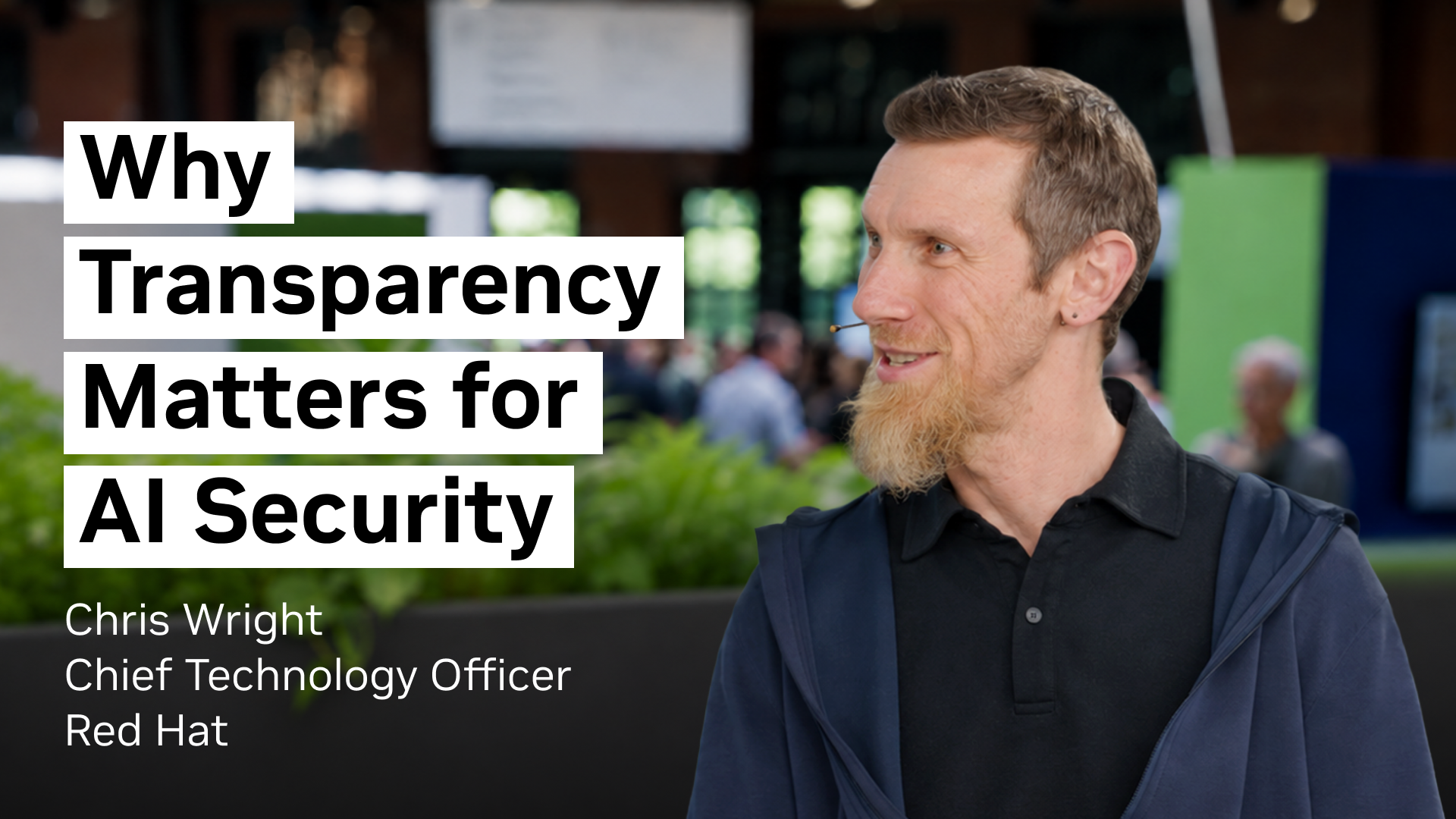
AIセキュリティに透明性が欠かせない理由 ― Red Hat CTO Chris Wright が語るオープンソースとエージェント保護
NVIDIA AI Podcast

NVIDIA Kumo:表形式データの基盤モデル――スタンフォード大学 Jure Leskovec 教授が語る
Super Data Science: ML & AI Podcast with Jon Krohn

#254: Anthropic の記録的 IPO、サイバー攻撃が相次いだ一週間、AI Academy Day、Gemini 4 Neon、ジェンスン・フアンの復帰願望
The Artificial Intelligence Show