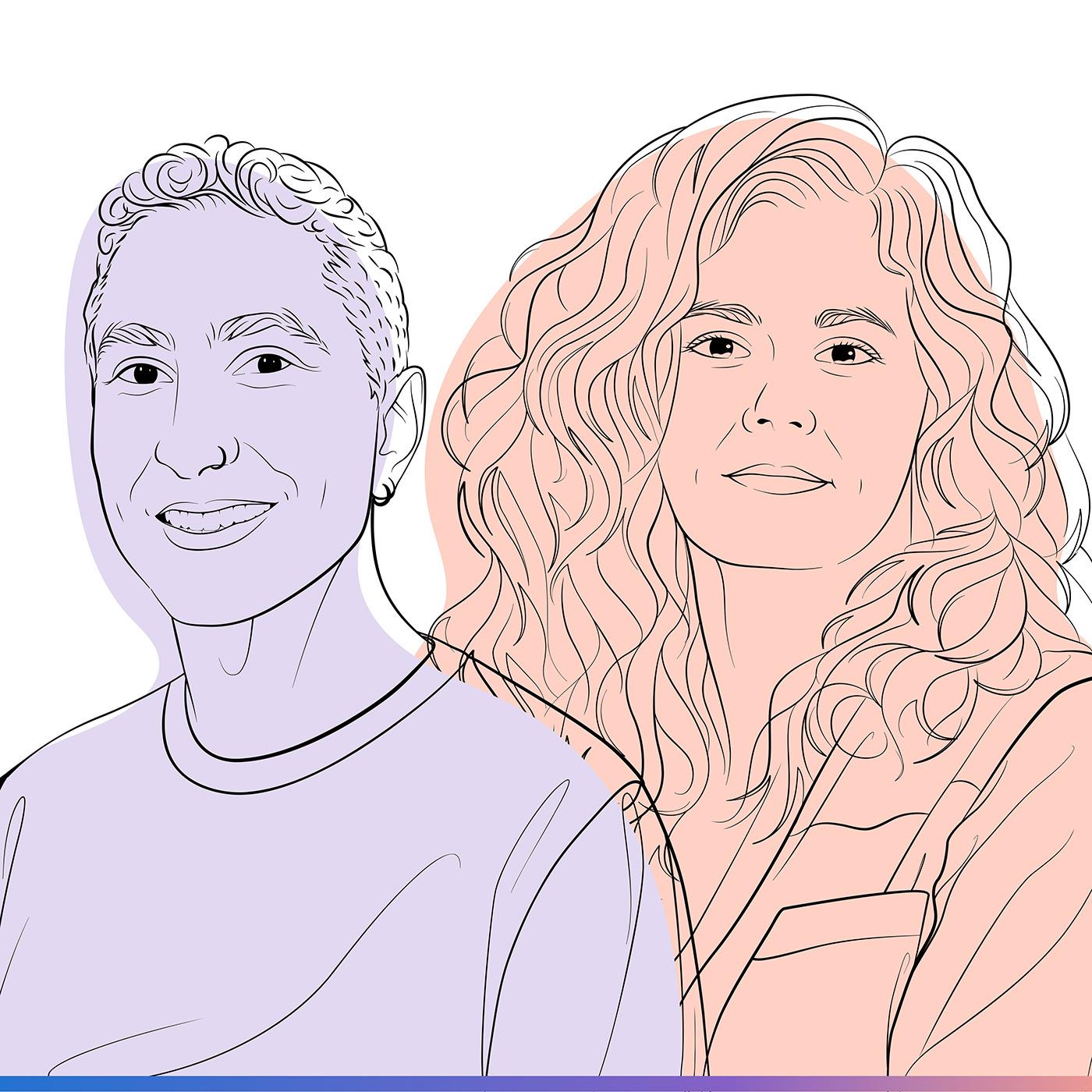
奉仕への呼びかけ:テクノロジー、研究、そして社会への好影響 〜Chris White 氏との対話
Called to serve: Tech, research, and positive impact with Chris White
奉仕への呼びかけ:テクノロジー、研究、そして社会への好影響 〜Chris White 氏との対話
Microsoft Research Podcast
要約
Microsoft Research の Catalyst Lab を率いる Chris White 氏が、プログラムマネージャーの Weishung Liu 氏と対談した回。オクラホマでの少年時代、アフガニスタンでの戦時データ分析、DARPA での Memex、Microsoft 入社の理由、問題選定の考え方までを語る。暗い現実を見てきたからこそ「できることがある」という動機が高まったと述べ、適応力と奉仕の姿勢の大切さを説いた。
この回のポイント
- ●White 氏は父から「良いことが起きたらトイレ掃除をしに行け」と教えられ、謙虚さと奉仕の精神を学んだと述べている。
- ●DARPA の異分野連携の実験的プログラムに参加し、アフガニスタンでの戦時データ分析に派遣された。当初9日間の予定が約90日に延びたという。
- ●DARPA で手がけた Memex は、ウェブ上の散在する情報をつなぎ合わせて証拠を得る技術で、ニューヨーク市の人身取引関連の訴追が10倍に増えたと語っている。
- ●テロや人身取引などの闇を見てきたが、「自分にできることがある」という光が動機になり、冷笑的にならずに済んでいると述べた。
- ●研究で最も重要なのは問題選定(テイスト)だとし、Microsoft Research の自由と責任の組み合わせを評価している。サイバー防御や AI セキュリティに注力する意向も示した。
- ●Project Natick(海底データセンター)を、遠い未来から逆算して考える大胆な発想の例として挙げた。
章立て
導入とゲスト紹介
White 氏の経歴(Harvard ポスドク、DARPA、Memex、2016年の大統領賞)と、対談の趣旨が紹介される。
少年時代と研究者への道
オクラホマでの LAN パーティーやディベート、博士課程を知った経緯、メンターへの感謝が語られる。
父の教えとイーグルスカウト
トイレ掃除に込められた謙虚さと奉仕の教え、1995年の爆破事件で延期されたイーグルプロジェクトを完遂した経験を語る。
DARPA とアフガニスタン派遣
異分野を集めた実験的プログラムから急遽派遣されるまでの経緯と、現地での経験、愛称「Dr. Spaghetti Man」の由来。
Memex と希望の保ち方
ダークウェブ上の証拠をつなぐ Memex の意義と、暗い現実の中でも動機を保つ考え方を説明する。
Microsoft 入社と問題選定
Microsoft を選んだ理由、研究における問題選定の重要性、サイバー防御や Project Natick など誇れる取り組みを紹介する。
ライトニングラウンドと締めの言葉
人生の助言や失敗談、ヨガと研究への思いを経て、適応力と奉仕の姿勢が大切だと語る。
解説記事
Microsoft Research Podcast の今回のゲストは、Catalyst Lab(Cat Lab)を率いる Chris White 氏。聞き手の Weishung Liu 氏(Principal Technical Program Manager)とともに、DARPA 時代や戦時データ分析、人身取引対策ツールなど、異色のキャリアとその背景にある価値観を振り返った。
奉仕と謙虚さという原点
オクラホマで育った White 氏は、自作 PC で LAN パーティーを開く一方、キャンプやロッククライミングも好む少年だった。ディベート部での経験は、物事を多面的に捉え、証拠について考える力を養ったという。
象徴的なのは、良いことがあるたびに父から「トイレ掃除に行け」と言われた話だ。謙虚さと奉仕、他者や他の仕事への敬意を教える父なりの方法で、同氏は今も地域イベントで清掃ボランティアをすると語った。イーグルスカウトの課題も、1995年のオクラホマシティでの爆破事件の影響で一度棚上げになり、数年後に完遂したという。ここで学んだ原則が現在の仕事にも影響していると述べている。
DARPA とアフガニスタンでの経験
Harvard のポスドクだった White 氏は、メンターの勧めで DARPA の会合に参加した。社会科学者、数学者、計算機科学者、防衛の専門家を集め、戦時のデータから暴力を防ぎ兵士を守れるかを探る実験的な取り組みだった。約40日の集中的な作業の後、「自分の仕事を信じるか。証明できるか」と問われ、わずか1週間ほどでアフガニスタンへ向かうことになった。
当初は9日間の予定だったが、3日目に「戦場での昇進」で責任者となり、滞在は約90日に延びた。事前の準備は短期間の訓練程度で、現地で学びながら進めたという。カブールでヨガをしていた際に格闘技クラスへ参加し、海兵隊員に勝ったことから「Dr. Spaghetti Man」と呼ばれるようになった逸話も披露した。この経験を通じて、奉仕の意味と、平和と暴力が共存する世界の現実を学んだと述べている。
Memex:点と点をつなぐ技術
帰国後、DARPA のプログラムマネージャーとして Memex を開発した。同氏によれば、検索エンジンは何かを探すには優れているが、ウェブ規模で、しかも見えにくい場所にある情報をつなぎ合わせる(connect the dots)ツールはなかった。Memex はその空白を埋め、たとえばニューヨーク市では訴追件数が10倍に増えるほど新たな証拠をもたらしたという。この取り組みが2016年の大統領賞につながった。
テロや人身取引、組織犯罪といった暗い現実を見続けて冷笑的にならないのかという問いに、White 氏は逆に動機が強まったと答えた。「自分にできることがある」という光があるから、暗い部分を受け止められるという。
Microsoft Research での問題選定
Microsoft を選んだ理由として、全員をエンパワーするというミッション、世界の IT 基盤を担う規模、そして CEO への信頼を挙げた。高出力のレーザーから「テーブルナイフ」へという比喩で、どちらも世界に必要だと語る。
研究で最も重要なのは問題選定(taste とも呼ばれる)だという。未来から逆算して今できることを考える作業であり、Microsoft Research には発想から証拠、ポリシーや導入までを見渡せる自由と手段があると評価した。現在注力する領域としてサイバー防御(AI とセキュリティ、ハッキング)を挙げ、大量のコンテンツを分析して人間の創造性を拡張するツールも、Memex の延長として重視している。
過去の例には、風力発電とつないだ海底データセンター Project Natick を挙げた。人手を介さず、電力や冷却の効率を高められるかを試す実験で、2021年に同社が最も革新的な企業と評価された一因になったという。魚を観察する「fish cam」の話も紹介された。
助言とメッセージ
ライトニングラウンドでは、「適切な場所・時・人がそろうと変化が起きる。宇宙は多くのフィードバックをくれる」という助言を紹介した。失敗から学んだ点は「急ぎすぎず、ゆっくり進めること」で、特に人に関する判断で重要だと語った。研究者以外の道は考えられず、ヨガも一種の研究だと笑いを交えて話した。
最後に聴衆へ向けて、適応力と経験の多様性、そして起こるべきことに開かれていること、「奉仕への呼びかけ」と変化を受け入れる姿勢を挙げた。
まとめ
この回は、技術者が自らの仕事の意味をどう捉えるかを考えさせる。White 氏は、問題選定を研究の核とし、社会的な害に向き合うことを動機に変えてきた。AI がサイバー防御など安全保障の課題を広げるなか、専門性と良い問題選定、フィードバックのある環境が成果を生むという主張は、研究開発に携わる日本の読者にも示唆が大きい。
文字起こし(英語・自動生成)
I have seen a lot of really bad humanity. You know, I've seen terrorism and trafficking and sophisticated, organized crime, you know, designed to take things from people, designed to hurt people. And I just know that I can do something about it, you know, and that I have and that we can. And so I think that that light, you know, the light of making a difference, allows me to hold and handle the dark parts. This is the Microsoft Research Podcast, where Microsoft researchers, driving advancement through fundamental science and technology research, explore the who, how, and what's next in computing and AI. Hi and welcome. I'm Weisheng Liu, a Principal Technical Program Manager here at Microsoft Research. And today, I'm talking to Dr. Christopher White, who leads Microsoft Research's Catalyst Lab.
Chris has one of those careers that sounds almost made up, a Harvard postdoc, on-the-ground advanced tech lead during the war in Afghanistan, a DARPA program manager, a dark web search pioneer, and a public good technologist. and his work has been featured in Popular Science as well as recognized with honors, including the 2016 Presidential Award for Extraordinary Efforts to Combat Trafficking in Persons. But what I'm most interested in today is the person behind that resume, how someone who has seen some of the worst as part of his work still comes to the office with a smile and a commitment to building tools that make the world better. Chris, thanks for joining me. Thanks for having me, Wayne. Yeah, good to see you too. And so let's get started. So I've known you for I think maybe around five or maybe six years, and now I work with you in Catalyst Lab. I love your story, and when I tell people about you, I say that you lead the newly formed
Cat Lab or Catalyst Lab in Microsoft Research. You were a senior executive at DARPA, and you are married to an incredibly accomplished woman and scholar. And I personally think that your life story would make a very watchable Hollywood film. So when you tell your own story, though, where do you start? Well, you start from where you are. And where I am today is leading research at Microsoft during a period of great fear and hope about changing technology and society. But, like, that's now. There's clearly lots of time from now until before the before times. So, like, tell me a little bit about the before times. Like, where were you at? I think you grew up in Oklahoma, maybe. Tell me about that. Tell me about Chris White, the child. Well, I was nerdy. I was a nerdy Eagle Scout. You know, I like to build my own computers and have local area network and parties with my friends.
but I also really like being outside. I like being in nature and camping and rock climbing. Those are all important to me. Okay, you mentioned LAN parties. Tell me about what did we play with our friends? Well, you know, we played everything. I preferred playing sports games, but I lost a lot of the other ones. Okay, so you played, like, LAN party sports games, like, in basements? Like we were all in the same. Yeah, everybody had to bring their own computer or bring their own Ethernet cable. And the more that you had your own machine, that was higher power, the better you were going to play. So did you have the best machine? I had the best machine. I built the best machine until someone built a better machine, but it was the best for a while. And I had a budget for it, and my family didn't understand that the budget also included two giant speakers. like the size of a computer tower, like subwoofer speakers.
They didn't know that was part of the computer building process. But it turns out that excellent audio-visual is a critical part of a well-functioning machine. I love it. But, okay, we're going to focus a little bit, continue focusing on childhood. You mentioned nerdy kid, which means, I'm going to generalize here, debate team or math competition team or chess team? Oh, it was the debate team. Yeah, debate was a really wonderful activity. It taught me how to understand many sides of an issue. It taught me how to think about evidence and research in that way. So, Chris, take me back again. Like, we're talking a little bit about Oklahoma. And, you know, at some point you chose researcher. Like I, for example, when I was a kid, I was convinced I would be an architect. I am not an architect, as you can see. But did you always think you were going to be a researcher? Was there an epiphany there?
Or was it always kind of like a slow hunch that you were going to pursue research? Yeah, I kind of always felt like it. You know, as I was applying for school, those were the kinds of jobs I was interested in, you know, the kinds of things that you do, you know, once you finish degrees that have research in them. And those were the people when I visited their work, I was inspired by the people that were discovering, you know, that were inventing, that were innovating, that were pushing the boundaries that were kind of in that unknown space and making sense of it. And so I've always had that curiosity, you know, and that approach to discovery. And so as I increased my education, it just changed the nature of what research meant and the ways in which I imagined that process evolving. Was a doctorate always on the cards then? Or did that come like as you were in college and then gradually learned and thought, you know, I could keep going?
Yeah, you know, I didn't know about doctorates really when I went to college. I wasn't as familiar with higher education. And so I knew that I wanted, you know, advanced degrees and I knew that I wanted more than was being taught in the undergraduate level. But I didn't know, you know, for example, that when you apply to PhD programs that often you get paid to go. You know, you get admitted in a stipend. You know, I was familiar with law and medicine and that you take out loans and you have to do it this way. And so for me, it was a surprise to know that I could apply to PhD programs directly from college. And from then, I just really was excited, you know, that I could explore different universities and different areas of focus and build on, you know, strong technical foundations of math and science and physics. And it was really amazing mentors that helped me and opened doors and inspired me. Mentors at Oklahoma State University, Johns Hopkins, and Harvard.
Really people that took their time and helped me. I'm really grateful for my teachers. So let's talk about your first mentor of your life. And I'm going to assume dad? Yeah, dad's a big influence. And okay, that's a big influence. And so we're going to, I'm going to go down this path. So Catalyst Lab landed a huge commitment from our executive kind of leadership team on a project that has been, I think, like a decade in the making. And then so we all, you know, we all came together on a call. We're like, wow, let's debrief. Let's talk about it. Like, oh, energy's up. And then at the very end of the meeting, you said, okay, now I'm going to go clean some toilets. and I think all of us kind of thought like what what does that mean um so before we get kind of more into the specifics of mentorship and the like follow-on in your career uh what please
tell me does cleaning toilets have to do with success oh well you know like I said dad's a big influence and he taught me so many things and he taught me about respecting people um and most important he taught me about humility and service and so his way of making sure i understood that was every time something really good happened to me he'd remind me to go clean some toilets and sort of embody that and so i did i did it last weekend actually i went to a community event and volunteered to do bathroom cleaning is this like are you so in in like the household chores are you like the bathroom cleaner? Like, is this just always your job? No, no, no. We trade off. And also we have a complicated household. And so we have a lot of help that also helps with cleaning. And so this is something that I choose to do, especially if I can do it in a community context, because it, again, reminds me, you know, about humility and about service and of respect for other people and other jobs.
So I think there's some Eagle Scout vibes that I'm getting from here as well, based on sort of humility and service What is the Boy Scout badge you are most proud of Oh that really hard Each badge is something that you earn including the Eagle Scout badge And the Eagle Scout badge for me was maybe the most difficult to earn because it requires an Eagle project. And I was really close to my Eagle project. I had it set up and it was ready to go. And it was in this church in downtown Oklahoma City in 1995. And right as I was about to do this project, the Murrah building blew up in a terrorist incident. And it blew up part of the church. And therefore, my ego project was not realistic and it was not a priority. And they got shelved. And it took me several years after that to then come back to plan and execute an ambitious ego project right before I turned 18.
And so that badge, you know, completing the project, overcoming significant setbacks, including being a teenager and having other interests, to come through and finish it, I'm really proud of finishing it. That's awesome. So you, so that was, so there were a few years then in between when you ideated, had the idea for the project. And then I appreciate the story around resilience to the one you completed the project. Like, what is the biggest takeaway that you took from that? Like, what is that big lesson? You turned 18, you finished it, you celebrate. Actually, you know, maybe I'll ask you, how did you celebrate? Oh, with my family. You know, the Boy Scouts is a long process, many years, many kinds of roles, many kinds of learning. And to finish it, I finished it with another of my fellow Scouts that had been together for a long time. And so our families, we had a ceremony and it was something we could celebrate.
And every time I think about it, I think about the things that you keep repeating when you attend the Scout things, like the motto of being prepared and the kind of laws about being respectful and courteous. And those are things that continue to be principles that influence my priorities and also inspire me and help me in my job. Before we get to your job, then, we're going to talk about this interim period where I'll just say you chose to go to war and a few other things in between. Let's jump to 2010 when you joined DARPA, which is the Defense Advanced Research Projects Agency. within the Department of War. And then I think very quickly afterwards, you were sent to Afghanistan to help implement a new approach to wartime analysis. And then, but before that, I think you were a Harvard postdoc. And you had actually mentioned it was a mentor who encouraged you to attend a meeting with
DARPA that resulted in this course change. And so now I'm super curious, how did this conversation happen where you were, you know, promising Harvard postdoc, which became a mentor going, hey, there's something happening, you should go attend? Like, what happened there? Yeah. DARPA invests taxpayer money, and they have a record of really creating innovations, massive innovations, you know, the Internet, GPS, stealth, UAVs. And at the time, there was different ways of building programs. And one of the kind of tested ways was to bring together different fields of expertise. And so we were in wartime in Afghanistan. DARPA was not involved very much. And there was a question, you know, could we bring together social scientists with math people, computer science, and defense experts? And together, could they help us make sense of what's happening in the data?
Could that be useful to prevent violence and to protect our soldiers? And it was an experiment because it required all these different areas of expertise coming together from sensors, through analysis, through social behavior, and a culture change. And so the summer was a skunkworks to understand was there something to contribute? And at the end of it, they asked me, they said, well, you know, do you believe in your work? And I was like, yeah. Well, can you prove it? You know, can you go see if it can help protect our soldiers and help prevent violence? And so they asked me to be of service, and I said yes. And it was something that I was really unprepared for. I was supposed to go for nine days the first time. And on the third day, I got a battlefield promotion and was put in charge. And then it stayed for 90 days and then went back a few times after that even.
And so, you know, our work was towards, oriented towards protecting, you know, soldiers and toward preventing violence and using AI and against technology to do that. And it was a really big opportunity. so you attended a meeting you contributed some work and then you know do you believe in your work prove it what was the time frame between you know like showing up a meeting participating in some of the research before like prove it so the skunk works for the summer it was like uh you know 40 days of kind of like focused effort. But at the end of it, I was expecting to go back to Harvard and continue my postdoc. But instead, they sat us down. They said, look, we think this can make a difference. Do you think so? And when I said, I said, yeah, from then to
getting over there was like a week. It was an extremely fast turnaround. It was extremely urgent. And you know, unexpected. Okay. So, like, how do you, you said yes, like, I believe in my work. They gave you, they essentially said, okay, then go next week. And how does somebody prepare for an experience like that? If you can even prepare? Yeah, I don't know. You know, this was an experiment, you know, sending researchers, even having a presence from DARPA in the war zone. It was new. And the idea was there could be a difference made because technology was advancing quickly. And that meant that many of the mechanisms in place for other ways of getting prepared were not available. And there was a bunch of training, like crash courses and training on what to do in certain situations, how things work, you know, how to handle yourself in different ways. But it was it was very brief.
And so there wasn't a lot of preparation because also we were planning to be there for nine days. But because there was an opportunity to do something good, that extended. And there was a lot of learning on the job and a lot of support in theater, a lot of people really willing to help us because we were helping them. So, okay. So you talked about lots of people there, lots of people supporting. I'm not going to focus too much on your time in Afghanistan because that was covered really well in the Popular Science article. But I do have to ask, can you tell me the origin story of the nickname Dr. Spaghetti Man? Sure. Sure. You know, I'm a longtime yoga practitioner, you know, 20 plus years. It's how I keep myself calibrated. and in Kabul I was practicing yoga in the gym and all these people were staring at me
you know they were staring at me before they had a class they had like a combatives class a kind of a different judo mixed martial arts class and you know I had a little bit of training and so after a couple of times I decided I'd just join in and and I joined in and and I won a lot I won a lot of the matches. And one of the matches I won, turns out it was against the Marine who was guarding the entrance to the building I was working in across the headquarters. And he told everyone. He told everyone, you know, that this, like, lanky spaghetti guy, you know, like, you know, got out of things and beat him. And he did it in such a way that everyone in the building knew. and so I got all this respect and I got that cool nickname. Did other folks challenge you as a result of this Marine telling your story? I mean, everyone that came to that class was game, you know,
and I couldn't beat everybody, but I held my own, and that was really surprising to a lot of people. And, again, once you establish yourself in different ways, you know, there is a lot of respect and, and then, you know, camaraderie. So you know tell me how what did that whole experience teach you about like a life lived and and how do those lessons show up in your work today including the you know Spaghetti Man experience You know, the whole thing, it taught me about, you know, service and what it means to serve. And it taught me about the reality of both peace and violence in the world. And that continued to motivate me to make a difference. After your time in Afghanistan, you continued on with DARPA as a program manager. And in that role, you developed Memix, which I believe is a set of tools that could be mixed and matched to help uncover some really shady and dark parts of the web,
which, from what I understand, was really hard to do up until that point. I think this work also is what helped you, what you received your 2016 presidential award on. And, you know, like, can you how do you explain the Memex project and this dark web work to someone outside tech? And what about this project inspired or appealed you to even pursue it? Yeah, well, the inspiration started when I was overseas because I saw the benefit of evidence when it came to stopping bad things from happening and prosecuting them. And coming back to the U.S., I saw more and more opportunities where collecting evidence at large scale was a really useful mechanism. And so people think of search engines a lot, and search engines are a great tool for finding something. But when you need to connect the dots, there wasn't a great tool to work at the scale of the web and connect the dots,
especially some of the dots being in difficult places that were not very visible. And so by creating a technology that would connect the dots across parts of the Internet, it allowed the prosecution of these kinds of really awful crimes. And so, for example, in New York City, it allowed them to increase their prosecutions by 10 times because it gave them new evidence and different kinds of evidence that they had before, and they could use that in a way to really deal with the issue differently. Okay. From what I understand, the dark web is a pretty dark place. Uh, and so like you've worked in some very dark spaces and close to some very dark uses of the technology. So like how, again, like you and I interact a lot. And so I, it's always curious to me how, how has that not made you cynical and how do you stay hopeful? You know, I think, I think what it's done is it's really increased my motivation, you know, my motivation to make a contribution.
You know, my motivation to stay aware and be realistic. And by being realistic and motivated to address some of these very challenging issues, you know, around violence, around harm, and instead to focus on empowerment and to focus on justice, it gave me something to do. And so I have seen a lot of really bad humanity. You know, I've seen terrorism and trafficking and sophisticated organized crime, you know, designed to take things from people, designed to hurt people. And I just know that I can do something about it, you know, and that I have and that we can. And so it's really been inspiring to, you know, for example, come to Microsoft where there is a mission of empowerment. And there is that perspective that technology can make a difference. And so I think that that light, you know, the light of making a difference, you know, allows me to hold and handle, you know, the dark parts.
I mean, that's a very powerful message, right? Because even with the darkest parts of humanity, there is light or, you know, you cannot have darkness without light as well. I think there may have been a 60 Minutes interview that included a short snippet of you talking about your work. And you had shared with me that, which, by the way, I cannot find the 60 Minutes episode, and I desperately want to. But, you know, I heard, perhaps through you, Chris, that that 60 Minutes episode actually contributed to you coming to Microsoft, maybe, or, you know, getting a job at Microsoft. And that made me curious. Like after some really incredible experiences, after all of that, why did you choose Microsoft? Oh, it was a really good choice. And at the time I had a lot of options and I was looking around.
And this mix of the mission of the company, this mission of empowering everyone and the scope of the company, you know, being, you know, IT for the world, you know, platforms and infrastructure for the world, and my confidence in its leader. You know, the CEO was part of my interview process. And, you know, that together gave me, you know, this perspective that I could do something here, you know, that I can start to envision moving from, you know, for example, very high-powered, expensive lasers to table knives. They both cut, and the world needs both of them. One of the things that you talk a lot about is problem selection, and I think sometimes that also gets referred to as taste these days. So how do you think about problem selection in Microsoft Research, in Catalyst Lab, given the breadth of what Microsoft does? Oh, I think it's just the most important part of research.
You know, it's the place where the angle of this whole thing changes, and it allows you to start to imagine a different future, you know, or to work backwards in that future that you want to see and see what you can do to contribute to it now. And the amazing thing about Microsoft research is there's tremendous freedom, And so there's tremendous creativity in problem selection. And it's the kind of thing where you have that latitude to go from idea to evidence to this potential for growth and thriving. And along the way, get feedback about value and usability and benefit or policy or adoptability integration. And so its scope provides so many vehicles for growth and utility of advanced research ideas. And this mission allows the focus of those to address absolutely critical problems, problems of impending security challenges due to AI, problems of advanced memory and storage
that allows for personalization, automation. Just, you know, for example, and I think that this mix of freedom combined with responsibility and mechanisms, you know, to prove out and demonstrate value, that that combination is just really remarkable. And it really motivates me to take the opportunity seriously. So it's almost going to be like asking you about your favorite kids now. What are some accomplishments in Microsoft Research or Catalyst that you are particularly proud of? Oh, you know, I think that, you know, right now, for example, again, focusing on kind of where we are, I think that we have a real opportunity to contribute something in the cyber defense space. I think our work on security and AI and hacking, it's really, you know, based on such a deep expertise and also based on people with a lot of experience.
And I think it's growing in need, you know, the need to protect our digital infrastructure, the need to deter and interdict people that would like to break systems or cause harm. that's really growing right now. And so being able to show up in a way that creates breakthrough, that can scale with relevance to address that growing need, it's really something that's, you know, awesome to me. And also I think that, again, kind of extending from the sort of MIMEX conversation where we're trying to connect the dots, you know, these days trying to analyze lots of content as part of being more efficient, as part of being more creative, as part of being more capable, you know, using tools to augment that human taste and creativity and ingenuity, that's really never been as powerful as it is before and continues to grow. And so I think making contributions in these areas, you know, where we have state-of-the-art technology and we're creating changes in the way systems are getting built and used, to me it shows that, you know,
despite the fast pace of change and despite the extreme competitiveness in the technology sector that specialized expertise with good problem selection and environment to grow and get feedback can create the kind of breakthroughs that matter. And so I really like that. Maybe to give one more example from the past, just maybe something emblematic of the group and And some of my predecessors was this underwater data center called Project NEDIC, where this experiment, you know, put a data center in a submersible on the bottom of the ocean connected to a wind farm, and it tested this design about could you build something that didn't require human intervention? Could it be more efficient with power? Could it be more efficient with heat? And the program manager that created that is one of the best I've ever worked with, And it just performed incredibly well as this huge surprise. And it led to us being, you know, the most innovative company in 2021 and other other awards.
And it's just an example of really out there thinking, imagining a world that had challenges with water access and power access and land, but where we need, you know, computation and data storage and technical capability available. So a little bit out there, but I really feel like we have to be imagining these different futures. We have to be radical in that way so that we can start to work back and make contributions now. I love the Natick example because I feel like Natick is the gift that keeps on giving. And, you know, if I can digress for a minute, I remember that I think one of the first TikTok videos that the Microsoft account posted was of Natick. But it was using like a meme at the time, which had like human eyes and a mouth being lowered into.
And it was of Natick being lowered into the ocean, including like a clippy, like a real life clippy swimming across you. It was – I still love that video for reasons why I don't understand. But if you haven't seen it, highly recommend. Maybe we can link it. Definitely. One of the highlights was the fish cam. You know, people were concerned that it might disrupt the marine ecosystem, and we did a lot of preparation and study for that. And just to be sure, we put cameras and watched it happen. And all these fish kept coming around and making it home. And there was, like, computer vision that was analyzing which fish is and their movement. And it became, like, an always-on thing that people were just tuned into online to watch the fish. There was a seal. There was a seal. There were a couple seals that came by, too, which, yeah, I remember that. That's really cool. Yeah, so see, you have to go not just out of the box but out of the data center.
Oh, no. All right. All right. So, Chris, before letting you go, it would be a missed opportunity if I did not ask you to share some practical advice and reflections given the breadth of your experience and lessons that you learned. So I'm going to do, maybe it doesn't have to be a super fast lightning round, but it's going to be a lightning round of a couple of questions. All right. One, what is the advice that you've received in your life that blew your mind or changed your perspective? You got to look out for the right place and the right time with the right people, because it takes all those things to come together for magic to happen and to make a difference. Okay, I'm going to have to ask. I'm breaking my own lightning round. How do you know? How do you know if it's the right place or the right time or the right people? The universe gives a lot of feedback. You know, it's something that with good listening, you can hear.
What did the universe tell you? It told me to marry my wife. Good choice. Good universe. Yeah. Good universe. It told me to have my kids. All right, next. Absolutely. Lesson you learned the hard way or the misstep that humbled you? I got to slow down. My tendency is to push too fast and too hard, and that can really lead to problems. And slowing down, it doesn't in the end slow everything down. It just actually makes it just right, just enough. What's an example of slowdown? Well, you know, I think there's slowing down and making decisions, especially about people, compared to other kinds of decisions. or even in my yoga practice, slowing down the way that I use my body so that it can be healthy and strong for a long time. I do believe that one of your, the advice that you often give us in CatLob is take a vacation.
Absolutely. So slow down, definitely fix that. Yeah, get some perspective. so uh next question talent or accomplishment you're most proud of if given the chance to brag you have stated humility many times i'm going to ask you to just turn that bit off for a little bit and brag a little bit instead well i think it would be uh putting my leg behind my head and saying the alphabet backwards while playing a percussion instrument Hold on. Like, this is for realsies, and this is not an AI-generated statement or prompt. This is – and you've done this before. I have. I've done it in a leadership offsite. You're kidding me. I did. I am going to need to ask some of our colleagues about that particular experience. But there was a percussion instrument. There was. But, you know, all kidding aside, you know, the 2016 Presidential Medal, you know, being able to make such a difference in a way for so many people that were affected and to also change the way technology was used from data collection evidence, you know, through judicial proceedings.
That process and arc, you know, is definitely something I'm extremely proud of, was extremely difficult, and I would definitely go for it again. I love it. Um, okay, I love asking this, and you know I've asked people this a lot. Career path you would have chosen if you did not become a researcher, and you're not allowed to say yoga teacher. No, I would just be a different kind of researcher. No! Definitely. Really? Okay, so if not an AI computer science researcher, what else would we be researching? Oh, the brain? Yeah. Okay, how about a non-STEM research topic? anthropology. Okay. Okay, fine. So, like, there's no scenario where research is not in the picture? No, it just seems to be part of me, you know, part of my drive, you know, part of what gives me energy, keeps me motivated and curious.
And this, you know, frontier allows that evolution to keep unfolding. Okay. All right. Good to know. So not yoga teacher, always some form of research. Well, I mean, yoga teacher is a kind of researcher into the universe. What? It's a researcher into the states of consciousness and being, into the alignment between the mind and the body. It's full of research, full of personal research. This is why I believe when once upon a time at a leadership offset, you were asked to prompt AI to build like a mascot for you. And I think that mascot was also doing yoga. It was. I asked one of my co-pilots to generate a picture of me based on everything it knows, and it created a cat doing yoga. Yeah. I love it. Okay. So lastly, and this is less lightning round and more like take your time.
what would you like listeners of this podcast to take away from this conversation, you know, about you, about professional life, about research, about making or maybe even just making choices? You know, I think it's about the power of adaptability and the diversity of experience. You know, it's about being open to what wants to happen, what needs to happen, you know, being open, called to serve, willingness to change. I like that. So thank you, Chris, Dr. White, for joining me and to our audience. Thank you for listening. Thanks, Wayne. You've been listening to the Microsoft Research Podcast. Check out more episodes of the podcast at aka.ms slash research podcast or on YouTube and major podcast platforms.
番組の概要欄(原文)
Lab Director Chris White has worked on research challenges with real-world implications—from new approaches to wartime data analysis to tools for combating human trafficking. He talks to program manager Weishung Liu about the influences that led to the work and more. Show notes
出典・この記事について
- 番組
- Microsoft Research Podcast(Researchers across the Microsoft research community)
- 元の回
- Called to serve: Tech, research, and positive impact with Chris White
- 配信日
- 要約作成日
- 公式サイト
- podcast.show/microsoftresearch
この要約・解説記事は、元の音声を文字起こしした内容をもとに AI(Claude)が日本語で作成したものです。 固有名詞や数値に誤りを含む場合があるため、正確な内容は元の音声でご確認ください。制作方法について